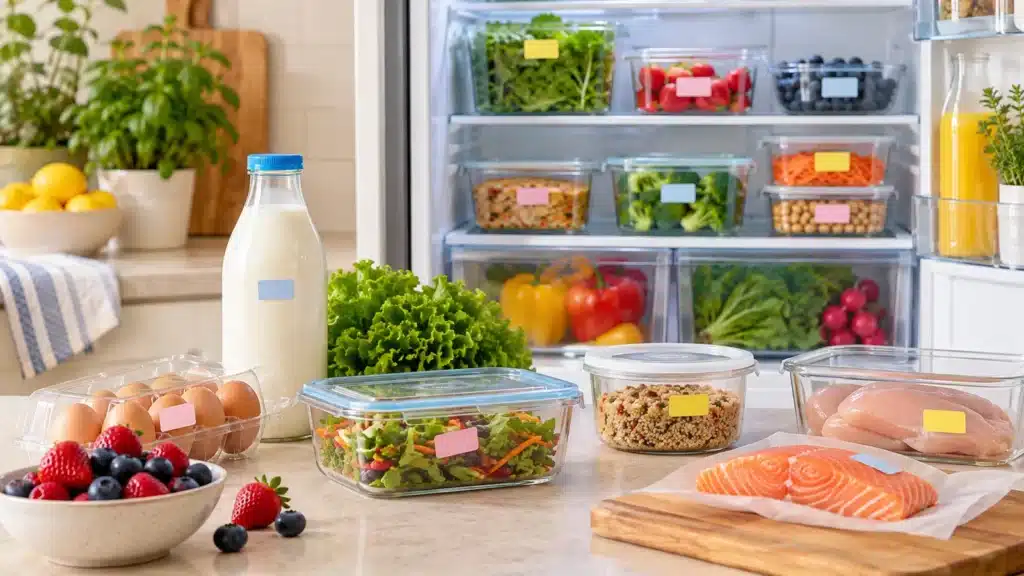
Foods you should never eat after the expiration date deserve more than a quick glance at the label. A carton may say “Best By,” a package may say “Use By,” and a deli label may show the day it was opened. Those dates do not all mean the same thing—and a printed date alone cannot tell you whether food is safe.
For most foods sold in the United States, date labels describe peak quality rather than a strict safety deadline. The important exception is infant formula. Storage temperature, time after opening, handling and the type of food often matter more than the calendar. This guide explains 13 foods that deserve extra caution and shows you when it is safer to discard them.
Written by Chef Adriana for Epsilon Community Hub.
Quick answer: the label is only one part of the decision
Do not automatically discard every food when a “best by” date passes. Never use infant formula after its use-by date. For meat, seafood, deli products and leftovers, follow official refrigerated storage windows. For other foods, combine the package instructions, time since opening, temperature history, recalls and signs of spoilage. When the storage history is uncertain, discard the food.
Food-safety note: This article provides general education, not individualized medical advice. People who are pregnant, aged 65 or older, younger than five, or immunocompromised should follow the most cautious guidance and consult a qualified healthcare professional when needed.
Expiration date, “best by” and “use by”: what is the difference?
The USDA explains that most food dates indicate quality, not safety. “Best if Used By” generally identifies when flavor or texture may begin to decline. “Sell By” helps stores manage inventory. A manufacturer’s “Use By” date usually marks peak quality, although infant formula must not be used after its use-by date.
This does not mean every old food is safe. Pathogenic bacteria may grow without producing an obvious smell, color change or slimy texture. A food can look normal and still present a risk. Use the printed label together with refrigeration history, time since opening and official storage guidance.
13 foods you should never eat after the expiration date—or handle with extra caution
The strict printed-date rule
1. Infant formula
Infant formula is the clearest rule on this list: do not buy or use it after its use-by date. Its nutrient levels and quality may no longer meet the standards stated on the label. Do not rely on appearance or smell, and do not dilute formula to stretch it. If a container is damaged, swollen or improperly sealed, discard it even before the date.
Foods with short refrigerator windows
2. Raw meat and poultry
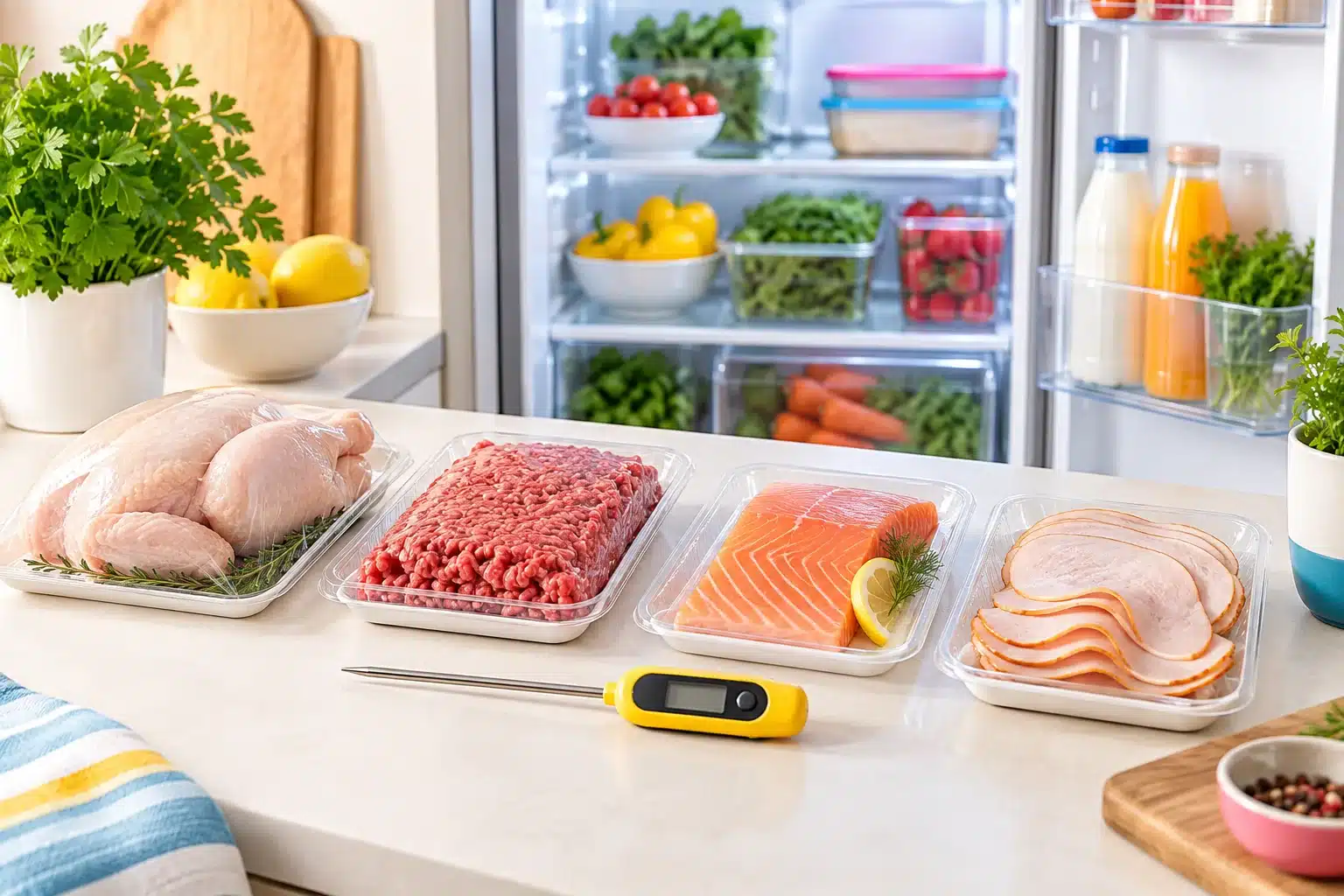
Raw ground meat and poultry have short refrigerator windows. The FoodSafety.gov cold-storage chart recommends only one to two refrigerated days for ground meat and fresh poultry, while many whole cuts keep three to five days at 40°F (4°C) or below. The clock begins when the food is purchased or thawed—not when you remember to check it.
Never taste raw meat to test it. A “fingerprint test” is also not a reliable pathogen test. Freeze meat within its safe window if you will not cook it, and use a thermometer when preparing dishes such as our stuffed peppers recipe or old-fashioned goulash.
3. Fresh fish and shellfish
Seafood is highly perishable. Fresh fish often keeps only one to three days in the refrigerator, depending on the species, while live shellfish and shucked shellfish have their own limits. Strong ammonia-like odors, leaking packages or a loss of refrigeration are reasons to discard seafood, but the absence of odor does not prove safety.
Buy seafood near the end of your shopping trip, refrigerate it promptly and keep it on ice if recommended by the seller. If you are not cooking it soon, freeze it while it is still fresh.
4. Deli meats and sliced cold cuts
Opened packages and deli-sliced meats should generally be used within three to five refrigerated days. Unopened factory-sealed packages may last about two weeks, but always follow storage instructions and recall notices. Listeria is an important concern because it can grow at refrigerator temperatures.
People at higher risk of severe foodborne illness should avoid cold deli meats or reheat them to 165°F (74°C), following FoodSafety.gov advice for higher-risk groups.
5. Cooked leftovers and prepared meals
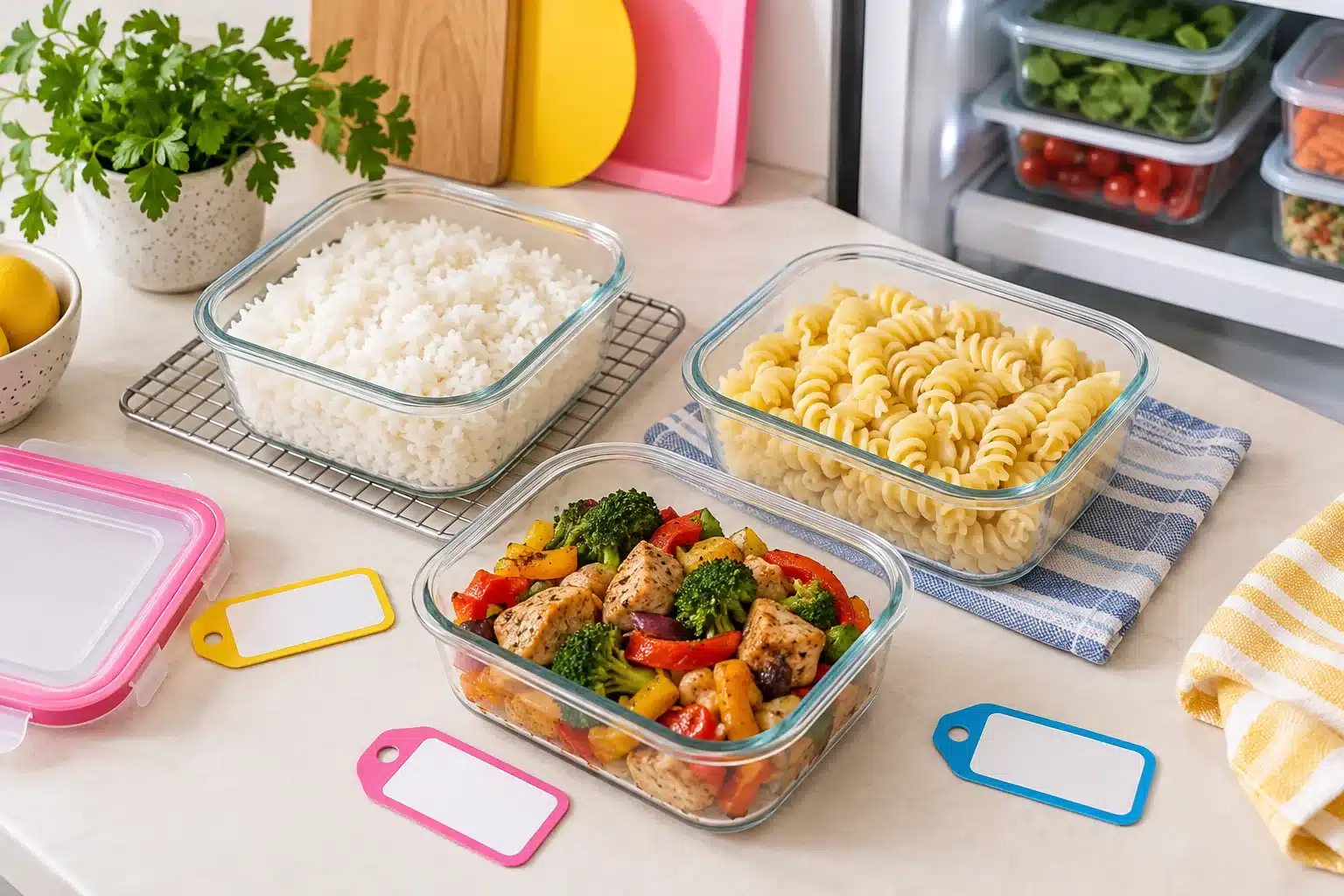
Most cooked leftovers should be refrigerated within two hours and eaten within three to four days. If the surrounding temperature exceeds 90°F (32°C), refrigerate within one hour. Store food in shallow containers so it cools quickly, and reheat leftovers to 165°F (74°C).
Label containers with the cooking date instead of relying on memory. Planning portions before cooking can also reduce waste; our free Recipe Nutrition Analyzer helps you review a recipe’s ingredients and serving information before you begin.
6. Cooked rice and pasta
Cooked rice and pasta should not sit at room temperature for long periods. Rice can contain spores of Bacillus cereus that survive cooking and may multiply when food cools too slowly. Refrigerate promptly in shallow containers and use within the same general three-to-four-day leftover window.
Reheating does not undo every problem caused by poor storage. If cooked rice or pasta was left out overnight, the safest decision is to discard it.
Foods to inspect carefully and store correctly
7. Eggs and liquid egg products
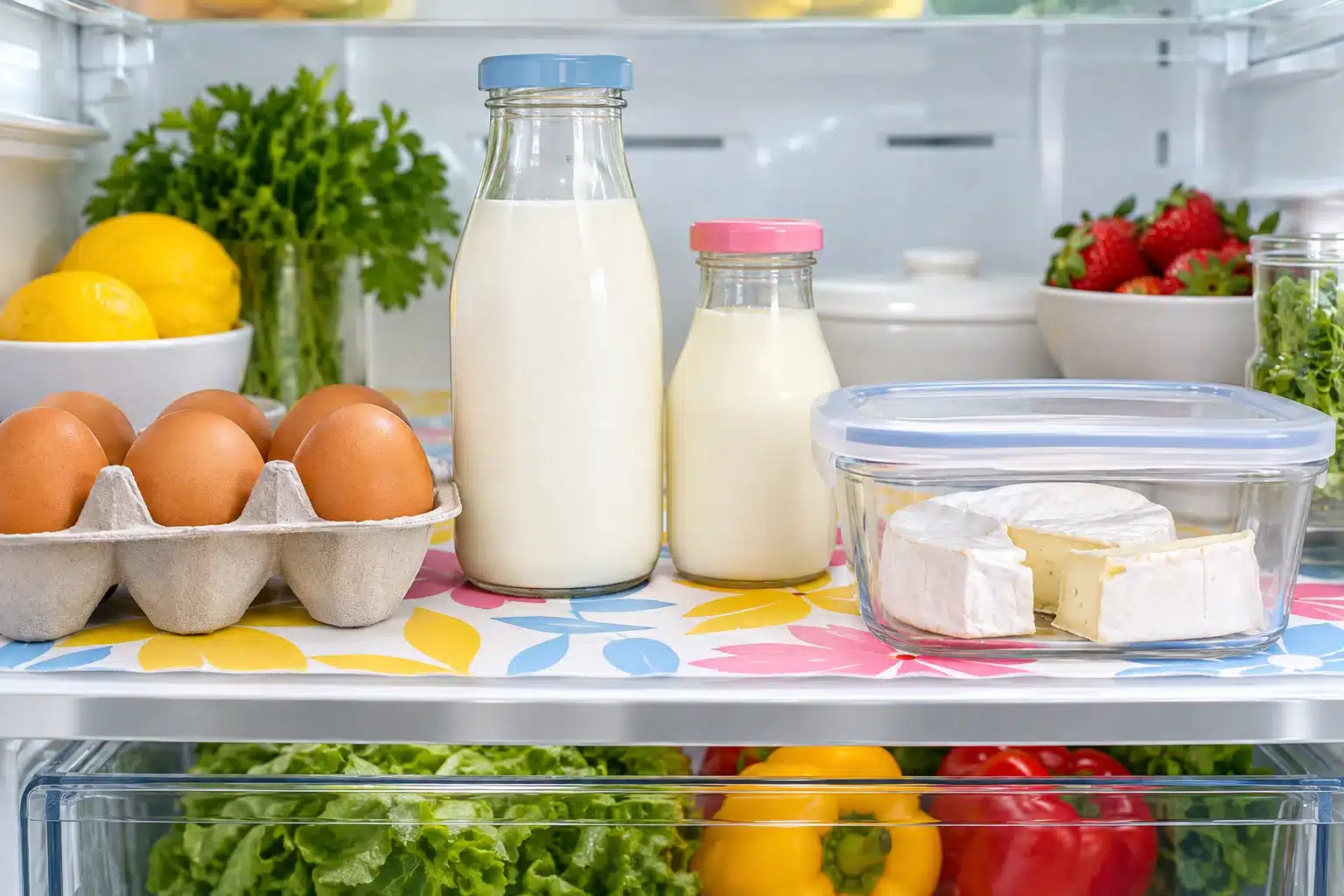
Shell eggs stored in their original carton at 40°F (4°C) or below can generally keep three to five weeks. A float test estimates an egg’s age, not whether it contains Salmonella, so it should never replace safe handling. Discard cracked eggs and cook eggs until the white and yolk are firm unless you are using pasteurized eggs in a recipe designed for a softer result.
Liquid egg substitutes have much shorter windows after opening—often only about three days. Follow the package instructions and official storage chart rather than treating them like shell eggs.
8. Soft and fresh cheeses
Soft cheeses such as ricotta, cream cheese, Brie and queso fresco contain more moisture than hard cheeses. If mold appears, discard the entire soft cheese; mold threads and contamination can extend beneath the visible surface. Do not simply cut away the spot as you might with an appropriate hard cheese.
Keep soft cheese refrigerated, use clean utensils and pay special attention to products made with unpasteurized milk. People in higher-risk groups should choose pasteurized options.
9. Milk, cream and refrigerated dairy
A quality date on milk is not an automatic safety switch, but temperature abuse can shorten its life significantly. Keep dairy in the coldest main section of the refrigerator rather than the door. Discard milk or cream with sour odor, curdling, unusual texture, swelling or packaging damage.
Creamy drinks should also return to the refrigerator promptly. If you make our creamy strawberry apple punch, prepare only what you can keep properly chilled and serve safely.
10. Leafy greens and prepared salads
Bagged greens and prepared egg, chicken, tuna, ham or macaroni salads need careful refrigeration. Prepared salads generally keep only three to four days. Discard greens that are slimy, badly wilted, moldy or associated with a recall. Washing cannot reliably make a recalled product safe.
Keep raw greens separate from raw meat and poultry in your cart, refrigerator and preparation area. Use clean hands, boards and knives to prevent cross-contamination.
11. Fresh berries and cut fruit
Berries hold moisture and can develop mold quickly. If mold is visible in a soft fruit container, discard affected fruit and any pieces touching it; contamination can spread through delicate produce. Cut melon and other cut fruit must be refrigerated because cutting removes the protective outer barrier.
Rinse whole berries under running water just before eating rather than before long storage, then dry them gently. Use fresh fruit while it is sound in recipes such as our five refreshing summer punches.
12. Sprouts and unpasteurized juice
Raw sprouts can harbor bacteria because the warm, humid conditions used for sprouting also support microbial growth. Washing may not remove contamination. Children, pregnant people, older adults and immunocompromised individuals should avoid raw or lightly cooked sprouts.
Unpasteurized juice may contain harmful bacteria even when it looks and smells fresh. Check the label, keep it refrigerated and follow the producer’s use instructions. Higher-risk readers should choose pasteurized juice.
13. Opened jarred condiments and sauces
Acidic condiments often last longer than fresh foods, but they are not indestructible. Refrigerate after opening when the label requires it, use clean utensils and never return used sauce to the original jar. Discard products with mold, bubbling, unexpected pressure, a broken seal, leakage or an unusual odor.
Homemade sauces without commercial preservatives usually have a shorter life. Date the container and follow a tested recipe rather than assuming that vinegar or salt makes every mixture shelf-stable.
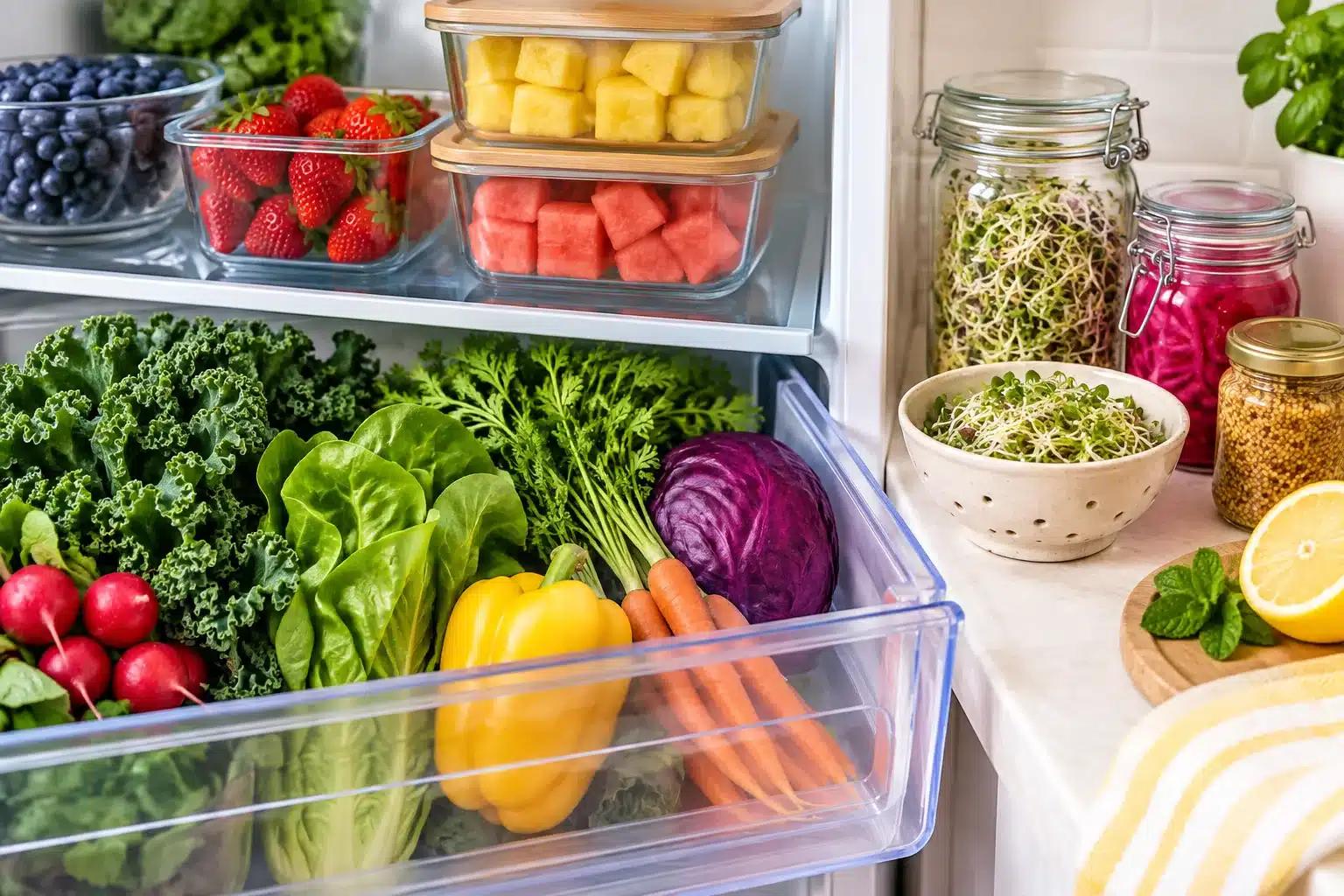
Quick refrigerator safety guide
| Food | Typical refrigerated window | Important action |
|---|---|---|
| Raw ground meat or poultry | 1–2 days | Cook or freeze promptly |
| Opened deli meat | 3–5 days | Higher-risk people should reheat to 165°F |
| Cooked leftovers | 3–4 days | Reheat to 165°F |
| Prepared salads | 3–4 days | Keep at 40°F or below |
| Shell eggs | 3–5 weeks | Store in the original carton |
These are general federal guidelines, not replacements for product-specific instructions. When storage history is unknown—or the food was left in the temperature “danger zone”—discarding it is the safer choice.
Five rules that matter more than the printed date
- Keep the refrigerator at 40°F (4°C) or below. Use an appliance thermometer instead of guessing.
- Follow the two-hour rule. Refrigerate perishables within two hours, or one hour above 90°F (32°C).
- Track opening and cooking dates. Write the date on leftovers, deli products and homemade sauces.
- Check recalls. A recalled food should be discarded or returned even if it looks normal and is within date.
- When in doubt, throw it out. Never taste questionable food to determine whether it is safe.
For more cooking inspiration after you clear and organize the refrigerator, browse the Epsilon recipe collection.
Frequently asked questions
Can food be safe after a “best by” date?
Yes. A “best by” date usually concerns flavor or quality. Food may remain wholesome after that date when it has been stored correctly and shows no spoilage. Perishable foods must still stay within recommended refrigerator windows.
Does smelling food prove it is safe?
No. Odor can reveal spoilage, but harmful pathogens do not always change a food’s smell, taste or appearance. Never taste food as a safety test.
Can freezing extend food life?
Freezing at 0°F (-18°C) stops microbial growth and preserves safety, although quality can decline over time. Freeze food while it is still within its safe refrigerated period, wrap it well and thaw it safely in the refrigerator, cold water or microwave—not on the counter.
Who should be especially cautious?
Pregnant people, adults 65 and older, children younger than five and people with weakened immune systems face a greater risk of severe foodborne illness. They should avoid unpasteurized products, raw sprouts and other high-risk foods, and follow conservative storage guidance.
Chef Adriana’s final food-safety check
I dislike wasting good food, but I never want a date-label shortcut to create false confidence. Read the label, know when the package was opened, keep the refrigerator cold and follow the correct storage window for the specific food. A thoughtful kitchen protects both your ingredients and the people gathered around your table.
Authoritative sources
- USDA FSIS: Food Product Dating
- FDA: How to Cut Food Waste and Maintain Food Safety
- FoodSafety.gov: Cold Food Storage Chart
- FDA: Are You Storing Food Safely?