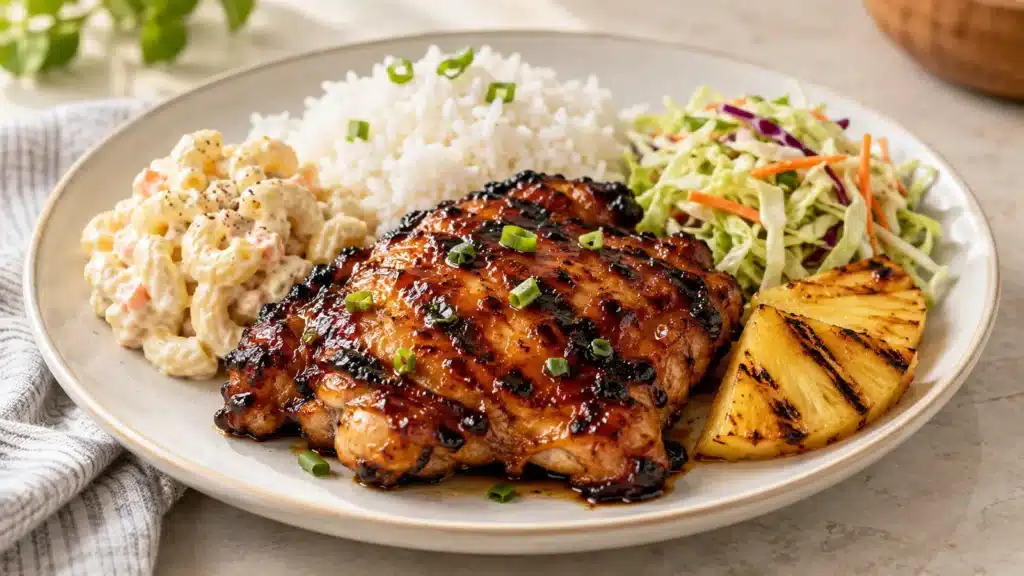
Wondering what to serve with huli huli chicken? Start with steamed rice, a crisp vegetable side and, if you want a richer plate, a small scoop of macaroni salad. That combination gives sweet-savory grilled chicken somewhere to shine: rice catches the glaze, vegetables add crunch, and the creamy salad changes the texture between bites.
You do not need fifteen different dishes to make a good dinner. This guide gives you fifteen options so you can choose two or three that suit your time, ingredients and guests. You will also find complete menu combinations, shopping priorities and a make-ahead plan that keeps you from trying to finish everything while the chicken is on the grill.
For the main course, use our Hawaiian Huli Huli Chicken Stack recipe. This article focuses on accompaniments rather than repeating its marinade and cooking instructions. The stack already includes rice and pineapple, so the most useful extra side is often something fresh and crunchy, not another large serving of the same ingredients.
On this page
What to serve with huli huli chicken: quick picks
For a simple dinner: white rice and cucumber tomato salad. For a generous cookout plate: rice, macaroni salad and cabbage slaw. For the chicken stack: slaw or green beans, because the rice and pineapple are already built into the main dish. For a lighter-feeling meal: choose a modest rice portion and two vegetable sides rather than adding several creamy dishes.
These are choices about flavor, texture and convenience, not promises about weight loss or medical outcomes. A meal’s nutrition depends on your actual portions, ingredients and preparation. If you want numbers, calculate the whole plate rather than borrowing a calorie value from a different recipe or assuming the sides do not count.
Use one starch, one fresh side and one optional extra
A useful starting formula is one satisfying starch, one crisp or green side and one extra only if the occasion calls for it. White rice, lime slaw and a little macaroni salad fit that pattern. Coconut rice, cucumber salad and grilled zucchini make a different plate. If you serve rolls, decide whether you still need a full rice portion.
The glaze on the chicken already brings considerable personality. You rarely need every side to contain pineapple, brown sugar or another sticky sauce. Give the meal contrast: something plain, something bright and something with a different bite. Keeping at least one accompaniment simple also makes it easier to accommodate guests who prefer milder flavors.
Familiar pairings versus modern additions
The Polynesian Cultural Center’s huli huli guide recommends white rice and Hawaiian macaroni salad as side pairings. Those are useful familiar starting points. The other ideas here are flexible home-menu suggestions; their inclusion does not make them traditional Hawaiian dishes.
That distinction leaves room for creativity without making an unsupported cultural claim. A cucumber salad, cabbage slaw or roasted sweet potato can work beautifully with a glazed chicken dinner even when it comes from a different cooking tradition. Describe what you are serving plainly and let the combination stand on its own.
Rice and starch sides that give the glaze a home
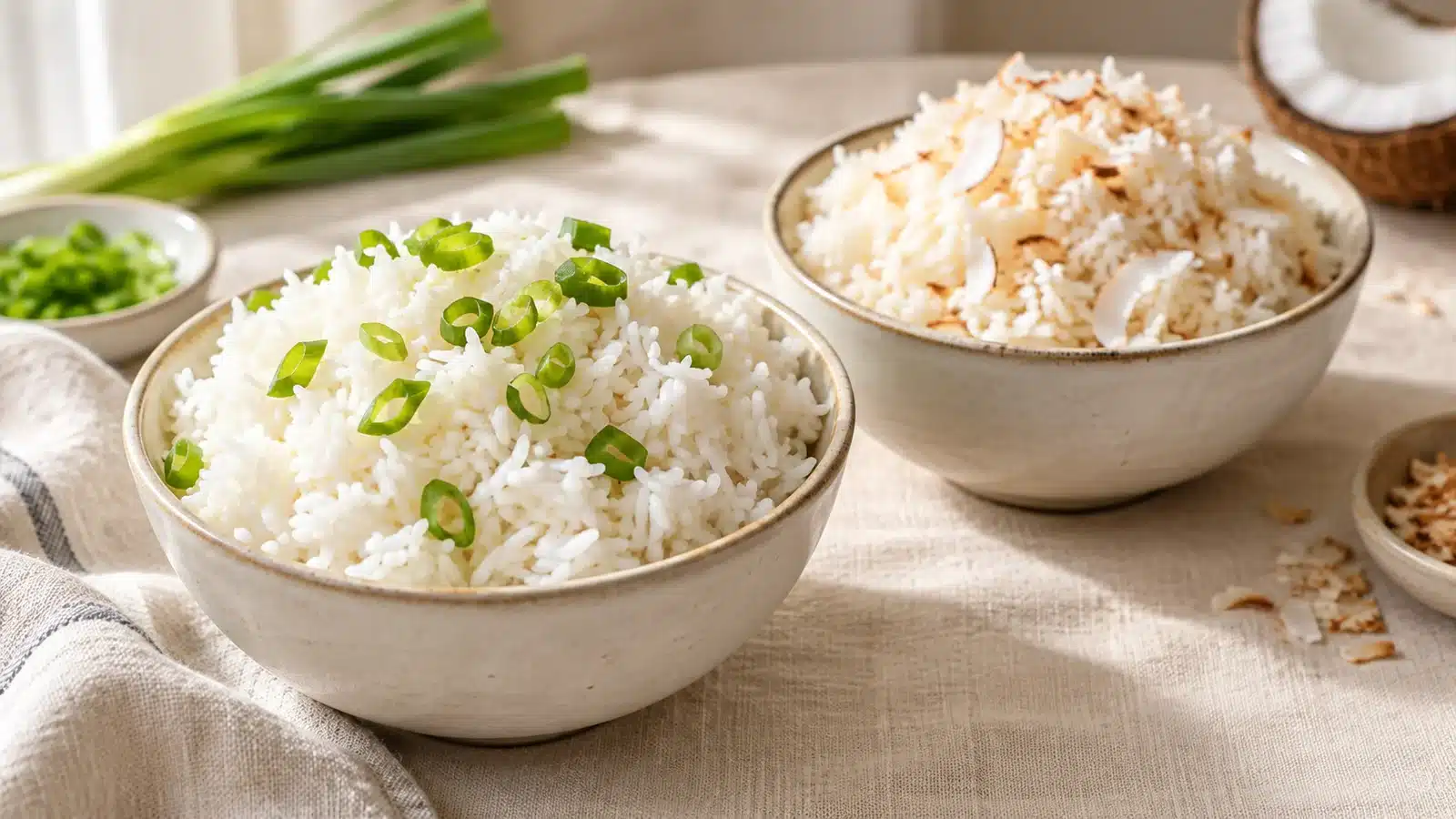
1. Steamed white rice
White rice is the most straightforward choice when the chicken is the star. Jasmine rice gives a fragrant, separate-grain option, while a suitable short-grain rice makes a different texture. Use the water ratio and cooking method specified for your rice rather than assuming every variety behaves alike. A rice cooker can also free a burner for vegetables.
Serve the glaze over the chicken and allow a little to reach the rice instead of soaking the entire bowl. That keeps some bites mild and gives diners control over the sauce. For a stack presentation, the rice is already the base, so do not automatically add another mound beside it. Use that space for a crunchy accompaniment.
2. Coconut rice
Coconut rice is a richer alternative for a dinner where you want the rice to contribute its own flavor. Choose a dedicated recipe that accounts for coconut milk, water and the particular rice variety. Replacing all the cooking water with thick coconut milk without adjusting the method can produce a heavy or uneven result.
Because coconut rice adds richness, pair it with a bright cucumber salad or lightly dressed slaw. You may not need a large helping of creamy macaroni salad as well. Check the coconut milk label and any added ingredients when serving guests with dietary restrictions. Coconut flavor is optional here, not a requirement for a Hawaiian-inspired menu.
3. Brown rice
Brown rice gives the plate a chewier base and a more pronounced grain flavor. Its cooking time is usually longer than that of comparable white rice, so build the schedule around the package directions. Start it early enough that you are not leaving finished chicken on the counter while you wait for the last pot to cook.
It works especially well in a bowl with sliced chicken, cabbage, cucumber and a measured drizzle of sauce. Keep the toppings distinct rather than stirring everything into a wet mixture before serving. Brown rice is a preference and ingredient choice; it does not make a sweet glaze or a large portion nutritionally irrelevant.
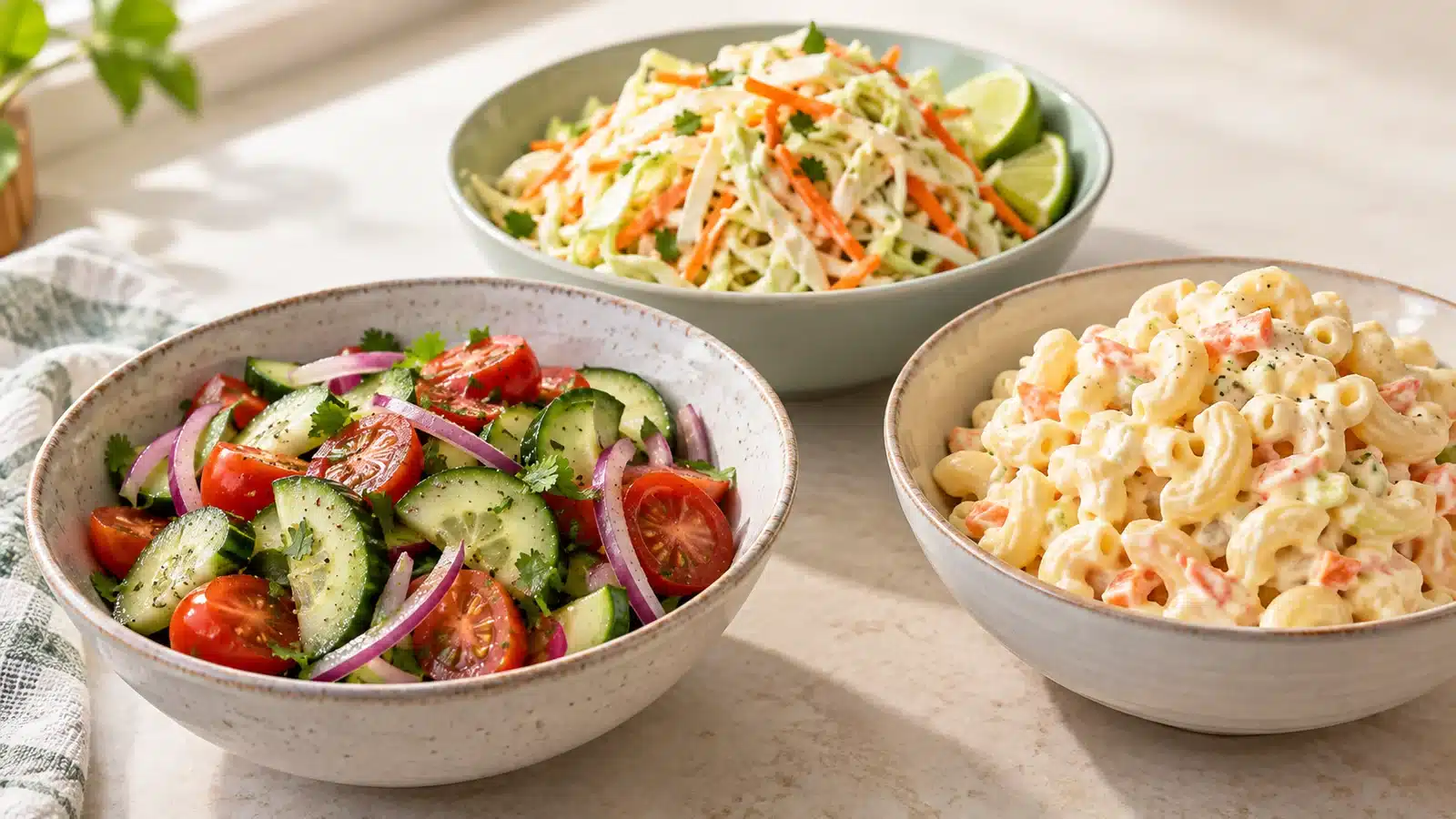
4. A small scoop of macaroni salad
Macaroni salad provides a cool, creamy contrast to hot grilled chicken. Elbow macaroni and a smooth dressing create a very different mouthful from rice or shredded vegetables. Use a complete, reliable recipe for the dressing and cooling method rather than treating this serving guide as a substitute for measured preparation instructions.
When rice is also on the plate, start with a smaller macaroni portion and offer more separately. A generous bowl on the table is easier to manage than covering every plate with two large starch servings. Keep the salad chilled until needed, and set out small batches at a cookout so you can replace them with refrigerated portions.
5. Soft rolls
Soft rolls suit a casual buffet or a sandwich-style meal. Put sliced cooked chicken into a roll with a little slaw, keeping extra glaze on the side. The bread absorbs sauce quickly, so assemble close to serving instead of filling a tray long before guests arrive. This also prevents crisp slaw from softening inside the bread.
Rolls are an alternative starch, not necessarily an extra item required alongside rice and pasta salad. Check for wheat, milk and egg where relevant. If you are serving the rice-and-pineapple stack, you can skip bread entirely and keep the dinner more focused. For a picnic, pack bread and chilled fillings separately and assemble when ready.
Salads and crunchy sides to balance sweet-savory chicken
6. Cucumber tomato salad
A cucumber tomato salad adds cool crunch and a juicy contrast without another creamy sauce. Slice the vegetables into pieces that are easy to eat beside chicken, then dress them close enough to serving that they still have some structure. Watery vegetables and a long wait can leave a pool of diluted dressing in the bowl.
Our cucumber tomato salad recipe is a useful starting point for this side. Its fresh vegetable character complements a grilled main course. Keep the dressing distinct from the chicken glaze rather than pouring the same sweet sauce over everything. Offer raw onion separately if some guests prefer a gentler salad.
7. Lime cabbage slaw
Shredded cabbage and carrot give the meal a crisp bite. A lime-forward dressing makes a useful contrast when the chicken has a sweet glaze. Use a slaw recipe you trust, taste the dressing before adding it and toss gradually. The goal is coated vegetables, not cabbage sitting in a large volume of liquid.
Keep some undressed slaw mixture chilled if you are serving a buffet over time. Refreshing a small bowl is often better than dressing the whole batch at once. For the chicken stack, place slaw beside the layers rather than between hot rice and chicken if you want it to stay crisp. This is a modern pairing suggestion, not a claim of tradition.
8. A simple green salad
A green salad is helpful when your other sides are rich. Choose dry, crisp leaves and a restrained dressing that will not compete with the glaze. Cucumber, radish or a few sliced carrots can add texture. You do not need cheese, candied nuts, croutons and fruit all at once to make the bowl feel complete.
Dry the greens thoroughly after washing, following any directions on packaged produce. Dress just before serving, or put dressing in a separate container so guests can choose their amount. If nuts or cheese are offered, keep them separate and label them. A simpler salad is often easier to share across different preferences and restrictions.
9. Quick-pickled vegetables
A small portion of quick-pickled onion, cucumber or carrot can brighten a rich plate. Think of it as a condiment rather than a full salad: a few pieces give acidity and texture without taking over the chicken. Choose one pickle flavor and avoid combining several intensely seasoned condiments on the same plate.
Use a refrigerator-pickle recipe with clear preparation and storage guidance. A quick vinegar soak is not a validated shelf-stable canning method, and this article does not establish one. Keep the vegetables refrigerated as directed by the recipe. If you already have a jar in the fridge, confirm its date and handling history before building dinner around it.
10. Pineapple cucumber salsa
Pineapple cucumber salsa adds a fresh fruit option without requiring another cooked dish. Small, evenly cut pieces are easier to spoon beside chicken than very large chunks. A little lime and a suitable herb can tie the bowl together. Keep hot pepper optional and separate if the table includes people with different preferences for heat.
Use this instead of, rather than automatically in addition to, a large grilled pineapple serving. The stack already includes pineapple, so more fruit may be unnecessary there. Prepare the components ahead if useful, but combine near serving for a cleaner texture. The cucumber should provide contrast, not disappear into a very sweet fruit mixture.
Grilled and roasted side ideas
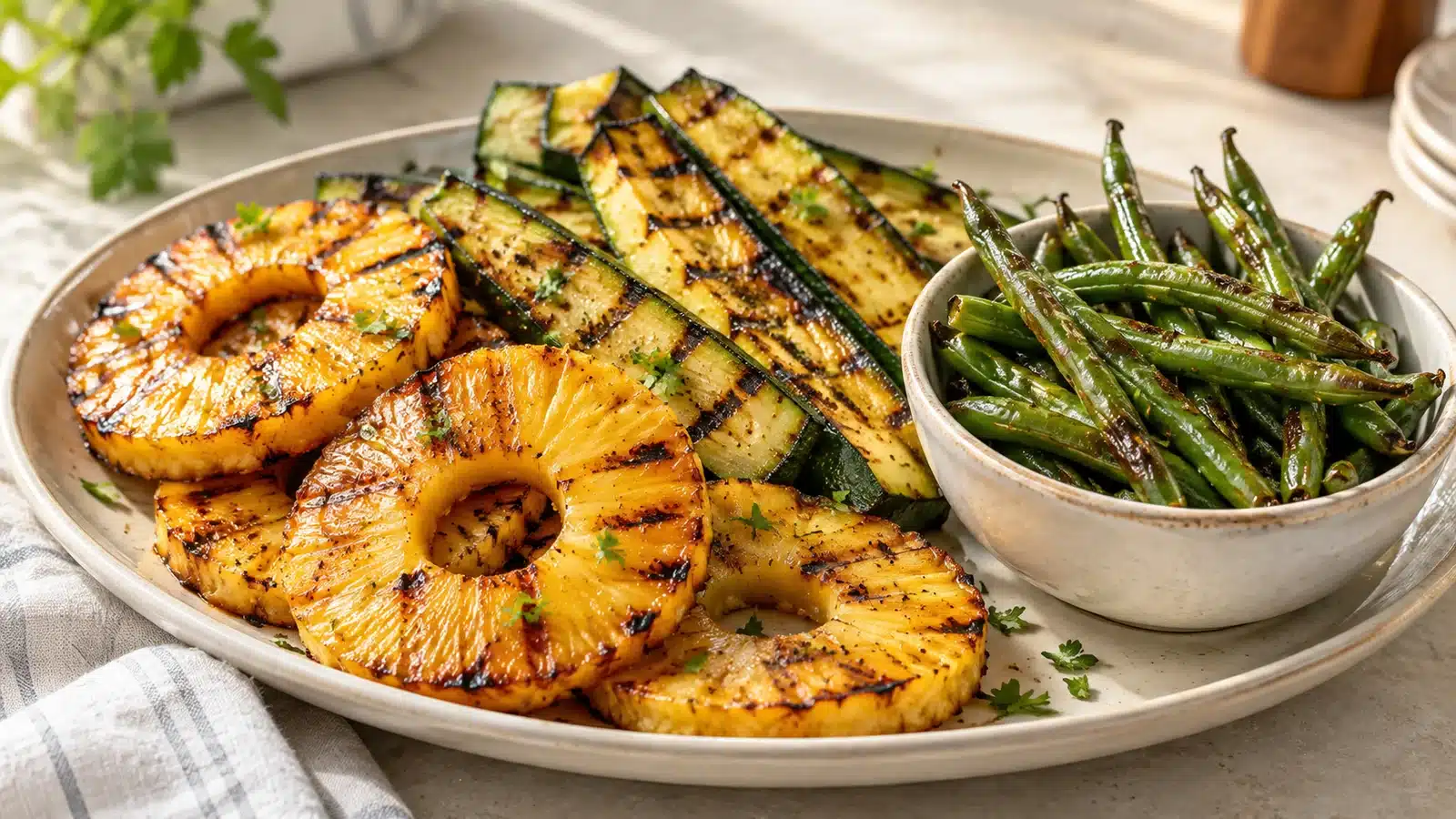
11. Grilled pineapple
Grilled pineapple contributes warm fruit and caramelized edges. It is most useful when the main chicken dish does not already contain a substantial pineapple layer. For the stack, treat the existing ring as the fruit element and choose vegetables as the extra side. This avoids repeating the same sweet note across the entire plate.
Use a clean preparation area and utensils separate from raw chicken. A platter that held uncooked poultry should not become the serving dish for ready-to-eat fruit. Keep the fruit preparation simple; adding a sugary glaze can make the meal much sweeter than intended. Serve modest portions and let the chicken remain the main attraction.
12. Grilled zucchini
Zucchini provides a less sweet grilled accompaniment. Cut pieces of similar thickness so they cook more evenly, and use a vegetable recipe suited to your grill or grill pan. Extremely thin slices may become difficult to turn, while large irregular chunks can cook unevenly. Light seasoning allows the vegetable flavor to provide a break from the chicken sauce.
Plan for grill space before dinner starts. If the chicken needs your full attention, cook the zucchini using another appliance or finish it in a separate batch. Do not crowd everything onto a small surface simply to claim that the meal was cooked together. A well-managed side is more useful than one that burns while you check the poultry.
13. Green beans
Green beans add a straightforward vegetable side with little sweetness. Steamed, sautéed or roasted beans can all fit the menu, depending on which equipment is available. Choose one method and follow an appropriate recipe for timing. A little lemon at the table gives diners a bright finishing option without changing the entire bowl’s flavor.
They are particularly practical beside a chicken stack because the plate already has rice and pineapple. Keep the beans lightly seasoned rather than coating them in another sticky sauce. Trim them ahead and refrigerate until needed. If you want garlic, use a modest amount so the side remains a contrast rather than repeating every flavor in the marinade.
14. Roasted sweet potatoes
Roasted sweet potatoes suit a dinner where you prefer a different starch from rice. Similar-sized pieces are easier to cook evenly, and a savory seasoning approach keeps the plate from becoming excessively sweet. Use them as the primary starch with a fresh salad rather than adding a large serving on top of rice, rolls and macaroni salad.
They also use the oven, which can be useful when the grill is busy. Consider the oven schedule if another dish needs the same space. Keep the final pairing simple: glazed chicken, roasted sweet potato and cucumber salad make a distinct menu without requiring several sauces. Let any extra chicken glaze stay optional rather than pouring it over every component.
15. Corn on the cob
Corn on the cob is a casual cookout option, especially when guests enjoy eating outdoors. Choose a preparation method that fits your equipment and keep butter, lime and seasonings available separately. That gives the table flexibility and makes it easier to identify ingredients for anyone who needs to avoid dairy or a particular seasoning blend.
For a less messy buffet, serve an appropriate cooked corn side in a bowl instead. Corn adds another sweet note, so pair it with slaw or green vegetables rather than several fruit-based dishes. If the meal already includes a large rice portion, use a smaller corn serving and allow guests to build the plate that suits them.
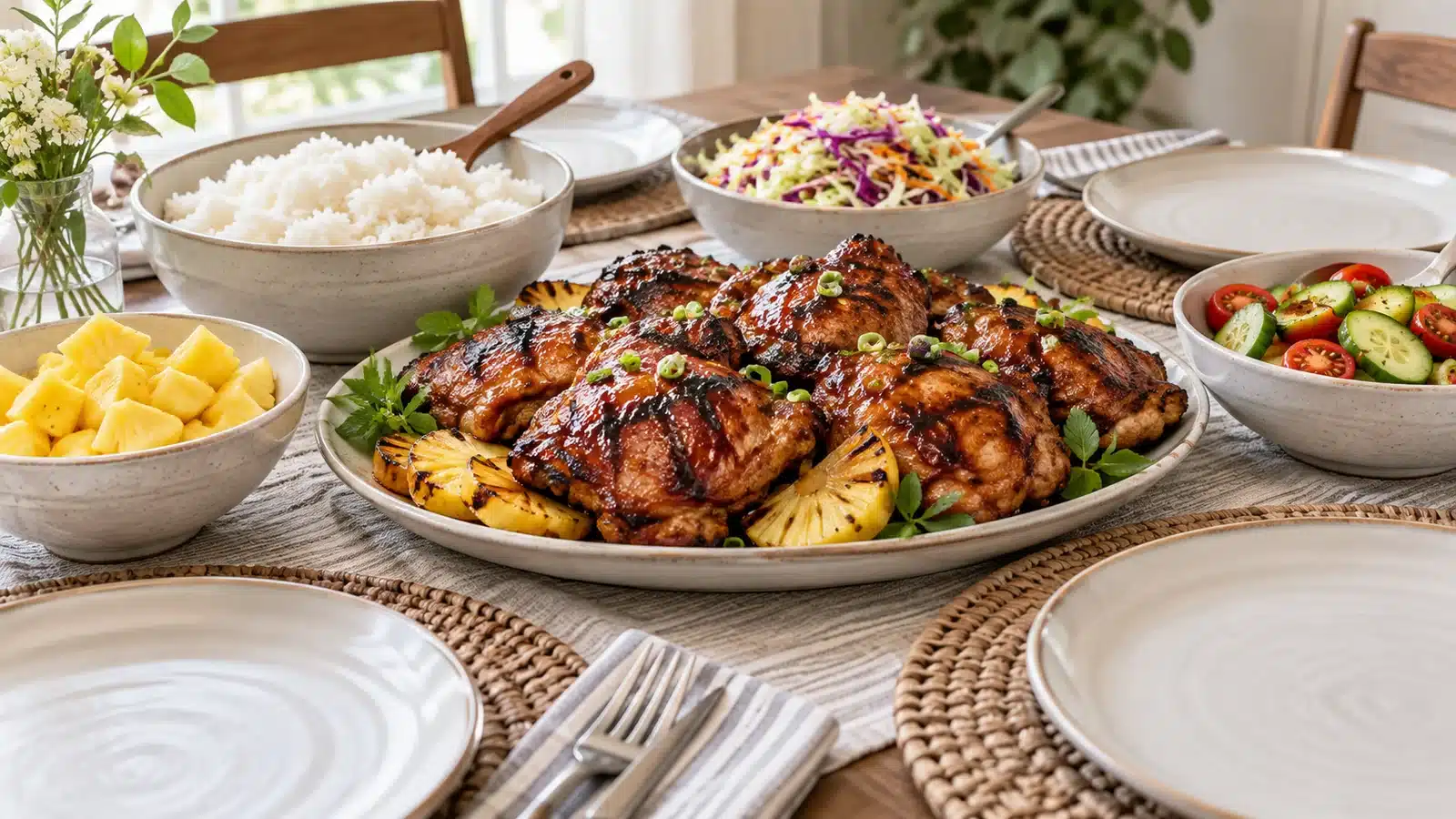
Three complete menus without overcomplicating dinner
Menu one: the easy weeknight plate
Serve huli huli chicken with white rice and cucumber tomato salad. This menu uses one pot or rice cooker, the chicken cooking equipment and a salad bowl. It gives you a hot main, a satisfying base and a cool side without asking you to prepare another elaborate cooked dish. Put any extra safe serving sauce in a separate container.
Prepare the salad vegetables first and hold them chilled, start the rice according to its directions, then focus on the chicken. Dress the salad close to serving. If you are making the stack, use its rice and pineapple layers and add the cucumber salad beside them. You have a complete meal without needing a second starch or dessert.
Menu two: the family cookout
Choose chicken, white rice, macaroni salad and cabbage slaw. The creamy and crunchy sides should have different jobs: one brings richness, the other freshness. Serve modest initial portions so people can choose their favorites. Keep the cold dishes refrigerated until the table is ready rather than leaving everything outside while the grill heats.
For a celebratory drink, explore our creamy strawberry apple punch. It is a rich, sweet option, so plain chilled water or a less sweet drink may be a better everyday fit. You do not have to add a sweet beverage just because the meal is for guests.
Menu three: a vegetable-forward dinner
Pair chicken with a modest brown rice portion, green beans and lime slaw. This arrangement gives vegetables more room without claiming the meal is suitable for every medical or dietary need. Keep the glaze amount adjustable. A bowl presentation can work well, but do not pack the ingredients so tightly that the slaw warms under the hot chicken.
If you want dessert for a special occasion, our pineapple bake guide offers a related fruit-forward idea. Treat it as dessert, not an essential side for this menu. Fresh fruit or no dessert at all are also reasonable choices. The goal is a meal you enjoy preparing and eating.
Shopping and make-ahead planning
Buy for the menu you chose
Write down your chosen starch and vegetable sides before shopping. If white rice, cucumber salad and slaw are the plan, you do not also need coconut milk, sweet potatoes and rolls unless you have another use for them. Checking the pantry first helps prevent buying several versions of ingredients you will not use this week.
For the vegetables, favor ingredients you can reuse. Cucumber can appear in a salad and the next day’s lunch, cabbage can become slaw or another cooked vegetable dish, and lemon or lime can finish several meals. These are planning conveniences, not reasons to add everything to the same dinner. Keep the number of dishes manageable.
Prepare the work that will not suffer from waiting
Measure dry rice, arrange serving dishes and prepare dressing separately ahead of cooking. Chop appropriate vegetables and refrigerate them in suitable containers. Keep washed greens dry and separate from dressing. Follow the chosen macaroni salad recipe for preparation and chilled storage, especially if you plan to make it the day before.
Keep raw chicken preparation separate from salad work. Wash hands and clean tools and surfaces after handling poultry, and use clean utensils for finished food. Reserve a clean portion of marinade before it touches raw chicken if the recipe calls for serving sauce. Do not place a used basting brush into a bowl intended for the table.
Coordinate equipment rather than chasing a fixed countdown
Rice cooking time, chicken thickness and grill performance vary, so there is no single countdown that fits every kitchen. Use your chosen recipes and start the longer task first. Finish delicate vegetables close to serving when practical. If two dishes need the grill simultaneously and there is not enough space, change the side method instead of forcing the schedule.
A realistic plan is to prepare chilled components first, start the starch next, cook the chicken safely and dress the fresh side at the end. Keep the table setup simple enough that someone can help with it. Completing one reliable menu is more satisfying than rushing several unfinished dishes because a list of ideas looked tempting.
Dietary needs and portions
Ask about actual restrictions when planning for guests, then check every relevant package. Soy sauce may contain wheat, macaroni and rolls usually contain wheat, mayonnaise may contain egg, and creamy dressings can contain milk. A gluten-free rice side does not establish that the chicken marinade or the whole meal is gluten-free.
Use appropriately labeled ingredients and preparation practices where needed. Keep garnishes and dressings separate when that makes ingredient control easier, but do not promise an allergy-safe meal solely because you removed an obvious ingredient. Cross-contact and packaged sauces matter. This guide offers menu ideas rather than individualized nutrition or allergy advice.
For portion estimates, enter your actual recipes into the Recipe Nutrition Analyzer. Include the chicken glaze, rice, salad dressing, drinks and dessert where relevant. Dividing a full recipe into four equal servings is different from guessing how much each person took from a buffet. Use estimates honestly and label them as estimates.
Safe serving and leftovers
Use a food thermometer to check poultry rather than relying only on color. The FoodSafety.gov temperature chart lists 165°F (74°C) for poultry. A sticky browned exterior does not tell you the temperature at the thickest part. Follow safe handling throughout preparation and keep raw-poultry utensils away from ready-to-eat sides.
At a buffet, keep hot dishes hot and cold dishes cold using appropriate equipment. Set out smaller quantities when possible and track how long perishable foods have been outside temperature control. Mayonnaise-free salad is not automatically safe to leave out indefinitely, and neither are cooked rice or vegetables. Packaging and handling instructions still matter.
The USDA leftover guidance advises refrigeration within two hours, or one hour above 90°F (32°C). Use shallow containers, keep the refrigerator at 40°F (4°C) or below and use refrigerated leftovers within three to four days. Reheat leftovers to 165°F (74°C). These limits do not guarantee unchanged texture.
Store chicken, rice and salads separately where practical so you can reheat only the cooked components that need it. Dress a fresh salad at the next meal rather than expecting previously dressed leaves to stay crisp. Discard food with an uncertain handling history rather than tasting it to decide whether it is safe. Our food-storage and date-label guide gives additional context.
Frequently asked questions
What is the easiest side for huli huli chicken?
Steamed white rice is an easy starting point, especially with a rice cooker. Add cucumber tomato salad or a simple slaw for crunch. If your main dish is the chicken stack, rice is already included, so a fresh vegetable side is the most useful addition.
Should I serve rice and macaroni salad together?
You can. They offer different textures, and white rice with macaroni salad is a familiar pairing. Start with smaller portions of each rather than assuming both need to fill a large part of the plate. Add a crisp vegetable side if you want more contrast.
What vegetables go with huli huli chicken?
Cucumber salad, cabbage slaw, green beans and grilled zucchini are flexible choices. Pick one that fits your equipment and another that adds a different texture if needed. Lightly seasoned vegetables let the chicken glaze remain the main flavor rather than repeating it across every dish.
What should I serve with a huli huli chicken stack?
Choose slaw, cucumber tomato salad or green beans. The stack already provides chicken, rice and pineapple, so adding another large rice or pineapple portion can be repetitive. A cool or green side gives the plate something new without complicating the main presentation.
Can I make the sides the day before?
Some components can be prepared ahead, following the individual recipes and safe storage guidance. Keep dressings separate from greens, store prepared food chilled and plan to finish delicate vegetables close to serving. Do not leave cooked rice cooling at room temperature overnight.
Is this a traditional Hawaiian menu?
White rice and Hawaiian macaroni salad are familiar pairings supported by the cultural source linked above. The broader list includes modern home-cooking ideas from different traditions. Choosing a side that complements the chicken does not establish that every dish on the table is traditionally Hawaiian.
A good dinner needs contrast, not every side on the list
When deciding what to serve with huli huli chicken, choose the combination that makes dinner easier to manage. Plain rice and a crisp salad are enough for a weeknight. Add macaroni salad for a more generous cookout plate, or use green beans and slaw beside the layered chicken stack. Let each side have a clear job.
Keep the sweet-savory chicken at the center, build in fresh texture and prepare only the extras you genuinely want. Explore more island-inspired recipes in our Hawaiian Kitchen hub, or browse the broader Food & Nutrition hub. A focused menu, safe preparation and thoughtful pairings will do more for dinner than a table crowded with dishes that all taste the same.