The Story Behind the Hawaiian Plate Lunch
The first time I experienced a real Hawaiian Plate Lunch, I stood in line at a small roadside stand with the scent of grilled chicken filling the air. The cook worked quickly, stacking plates with rice and grilled meat while locals chatted nearby like it was a daily ritual. In that moment I realized the Hawaiian Plate Lunch is more than just a meal. It represents community, culture, and comfort.
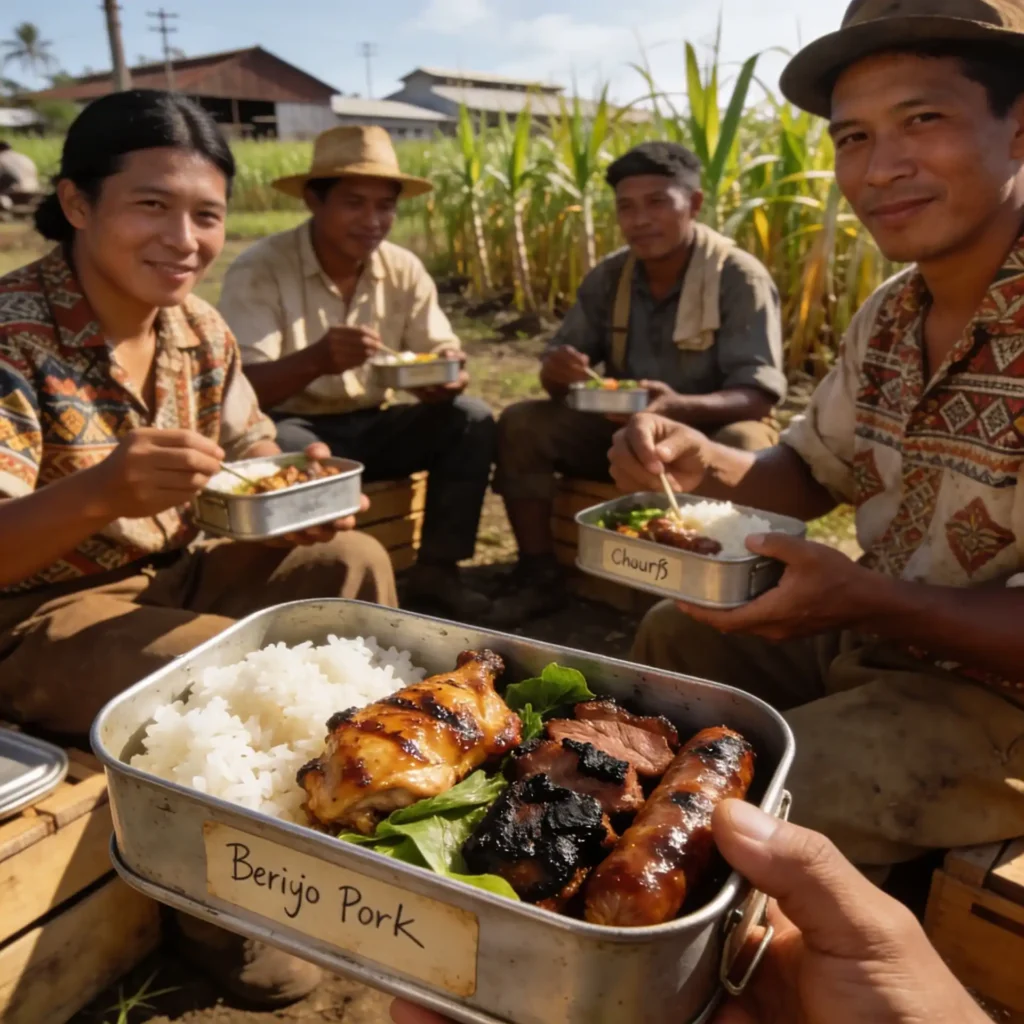
The story of the Hawaiian Plate Lunch begins in the late 1800s during Hawaii’s sugar plantation era. Workers from Japan, China, Portugal, Korea, and the Philippines all brought their own lunches to the fields. At midday they shared meals together, trading bites from each lunch tin.
Japanese rice sat beside Filipino adobo. Portuguese sausage met Chinese stir-fry. Over time these shared meals blended into a single plate that locals began calling the mixed plate.
Eventually roadside stands and small restaurants began serving this combination to hungry workers and travelers. Today, the Hawaiian Plate Lunch appears everywhere from beachside food trucks to famous island drive-ins.
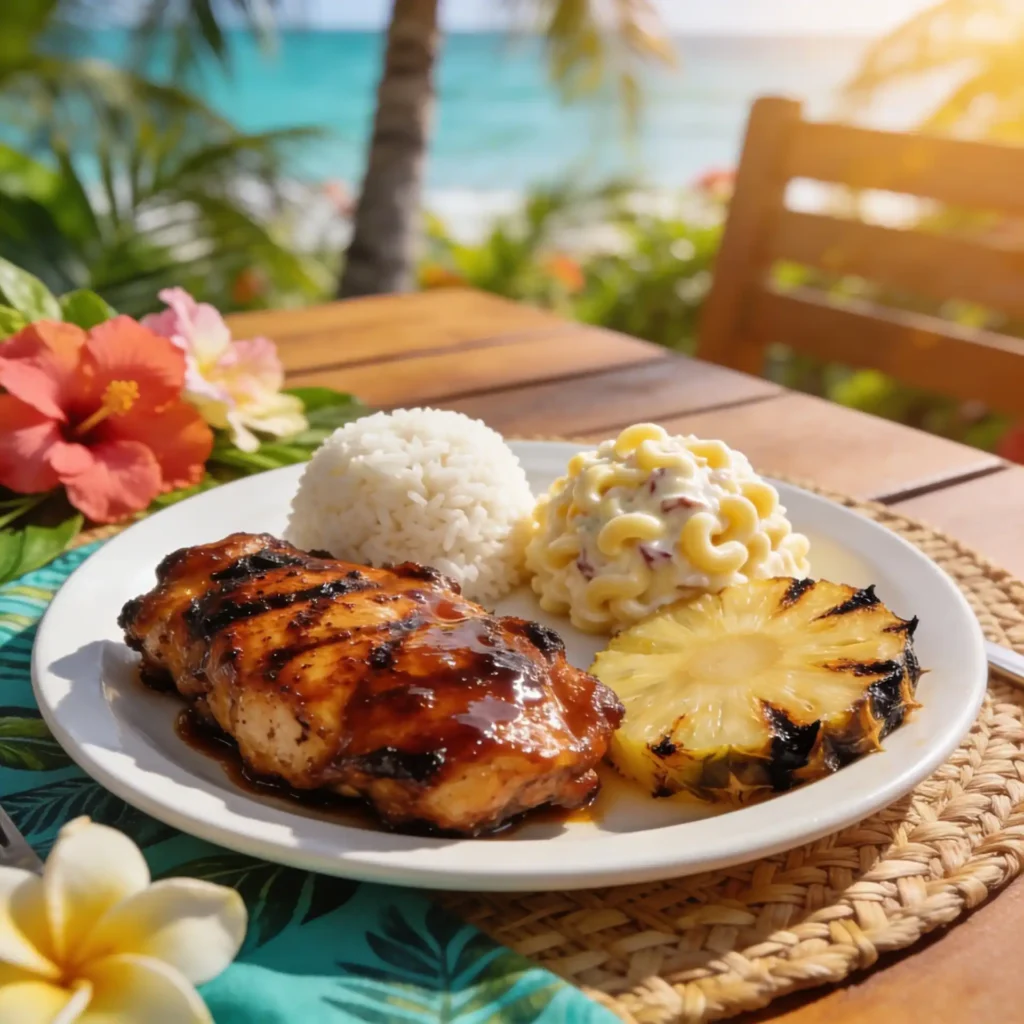
Most plates feature a flavorful grilled protein as the centerpiece. One of the most iconic options is sweet and smoky chicken glazed with a sticky island-style sauce. For that authentic drive-in flavor, I often recommend building your plate around my Hawaiian Huli Huli Chicken Stack, which delivers the charred, sweet-savory centerpiece that defines a true Hawaiian drive-in style meal.
That caramelized glaze, balanced with soy sauce, pineapple sweetness, and garlic, creates the signature flavor many people associate with a classic Hawaiian Plate Lunch.
Even today, the modern plate lunch still reflects Hawaii’s multicultural roots. Every element on the plate tells a piece of the islands’ story.
Table of Contents
Table of Contents
Plantation History Behind the Hawaiian Plate Lunch
How plantation workers created the mixed plate tradition
The roots of the Hawaiian Plate Lunch go back to Hawaii’s sugar and pineapple plantations during the late nineteenth century. Workers from many cultures arrived on the islands seeking opportunity, and each group brought its own cooking traditions. Japanese workers packed rice and pickled vegetables. Filipino workers often brought adobo-style meats. Portuguese laborers contributed sausages and bread.
During lunch breaks these workers sat together in the fields and shared food. Over time their separate lunch tins slowly merged into a communal meal. Rice from one worker paired with grilled meat from another. Pickled vegetables balanced salty proteins. This cultural exchange eventually formed what locals began calling the mixed plate, the direct ancestor of the modern Hawaiian Plate Lunch.
Restaurants started serving the meal in the mid-1900s when plantation towns grew into busy communities. Local drive-ins realized that workers wanted a filling lunch that reflected the foods they already loved. Instead of serving separate cultural dishes, cooks placed everything on one plate.
That simple idea became the foundation of the Hawaiian drive-in style meal still served today.
Why the Huli Huli marinade defines island barbecue
No discussion of the Hawaiian Plate Lunch feels complete without talking about the famous sweet-savory marinades used for grilled meats. These sauces blend soy sauce, brown sugar, ginger, garlic, and pineapple juice into a rich glaze that caramelizes beautifully over open flames.
Many cooks begin with a traditional island marinade like my Huli Huli Sauce Recipe. This sauce reflects the Asian influence in Hawaiian cooking and creates the sticky, glossy coating that defines classic Hawaiian barbecue.
When grilled chicken or beef cooks with this sauce, the sugars caramelize and create a slightly smoky crust. At the same time, the soy sauce and ginger add depth that balances the sweetness.
That balance explains why the Hawaiian Plate Lunch tastes so satisfying. The salty protein pairs with plain white rice, while creamy macaroni salad cools the palate.
Over the decades this combination evolved into one of the most recognizable meals in island cuisine. Even today, whether you visit a roadside stand or a famous drive-in, the flavors still echo the multicultural history that shaped Hawaii’s food traditions.
Hawaiian Plate Lunch Protein Choices (The Mains)
The most popular proteins in a Hawaiian Plate Lunch
The heart of every Hawaiian Plate Lunch sits in the protein section of the plate. While the rice and macaroni salad provide balance, the grilled or roasted meat delivers the main flavor. Over time, several proteins became staples in the Hawaiian drive-in style meal.
Chicken stands as one of the most widely served options. Many drive-ins serve sweet grilled chicken glazed with soy sauce, sugar, and pineapple juice. If you want a classic island barbecue flavor, my Hawaiian BBQ Chicken Recipe shows how to recreate that smoky sweet glaze at home.
Kalua pork also appears frequently on mixed plates. Traditionally, cooks prepare this shredded pork in an underground imu oven, where it slowly roasts with Hawaiian sea salt until tender. The meat develops a smoky aroma and rich texture that pairs perfectly with plain rice.
Teriyaki beef offers another favorite protein choice. Thin slices of beef cook quickly on a grill while soaking up a soy-based marinade. The result tastes savory, slightly sweet, and deeply satisfying.
These proteins all share one important trait: bold flavor that balances the simple starches on the plate.
| Protein | Cooking Style | Flavor Profile |
|---|---|---|
| Huli Huli Chicken | Grilled with sweet soy glaze | Sweet, smoky, caramelized |
| Kalua Pork | Slow roasted | Smoky and savory |
| Teriyaki Beef | Quick grilled slices | Savory and slightly sweet |
Each of these proteins works perfectly in the Hawaiian mixed plate guide, giving the meal its signature flavor balance.
Why drive-ins often serve “mixed plates”
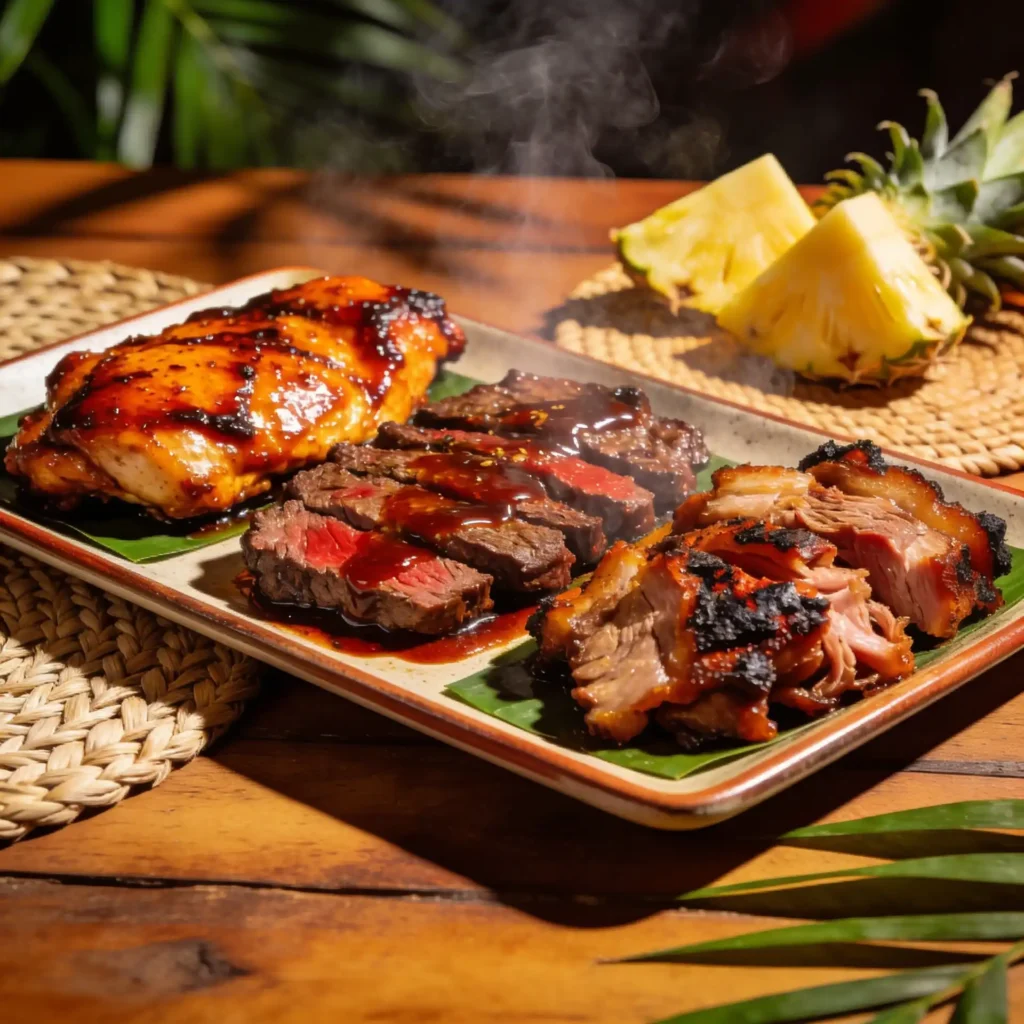
Many Hawaiian restaurants do not stop at a single protein. Instead, they serve what locals call a mixed plate, which includes two or even three different meats on the same dish.
This approach reflects the shared-meal tradition that began on plantation fields. Workers often traded food with each other, so lunch naturally included several flavors on one plate.
Today a mixed plate might combine grilled chicken with teriyaki beef or kalua pork. This variety allows diners to enjoy multiple textures and sauces in one meal.
The combination also works well with the plate’s starches. Rice absorbs the savory juices from grilled meat, while macaroni salad cools the palate between bites.
Because of this balance, the Hawaiian Plate Lunch remains one of the most satisfying comfort meals in island cuisine. Whether served with chicken, beef, or pork, the protein always leads the experience while the sides complete the plate.
The Art of the Scoop – Rice and Macaroni Salad
Why every Hawaiian Plate Lunch includes macaroni salad
One detail instantly identifies a true Hawaiian Plate Lunch: the famous scoop of macaroni salad. While pasta salad may seem like an unusual side for a grilled meat dish, this creamy element plays an important role in balancing the entire meal.
The salty and smoky proteins served on a Hawaiian drive-in style meal often carry bold marinades made from soy sauce, garlic, ginger, and sugar. After a few bites of grilled chicken or beef, diners appreciate something cool and creamy to reset the palate.
That’s where macaroni salad comes in. The noodles cook until soft, then mix with a slightly sweet mayonnaise dressing. The creamy texture softens the strong flavors from grilled meat and sauce.
If you want to recreate this classic side dish, my Hawaiian Macaroni Salad Recipe focuses on the authentic island texture. The noodles remain soft rather than firm, and the dressing carries a tangy, slightly sweet flavor that perfectly complements a Hawaiian Plate Lunch.
Many locals even mix a small amount of macaroni salad with their rice during the meal. This creates a creamy bite that absorbs the savory sauce from the grilled protein.
That balance explains why macaroni salad became a permanent part of the Hawaiian mixed plate guide.
Why Hawaii serves “two scoops rice”
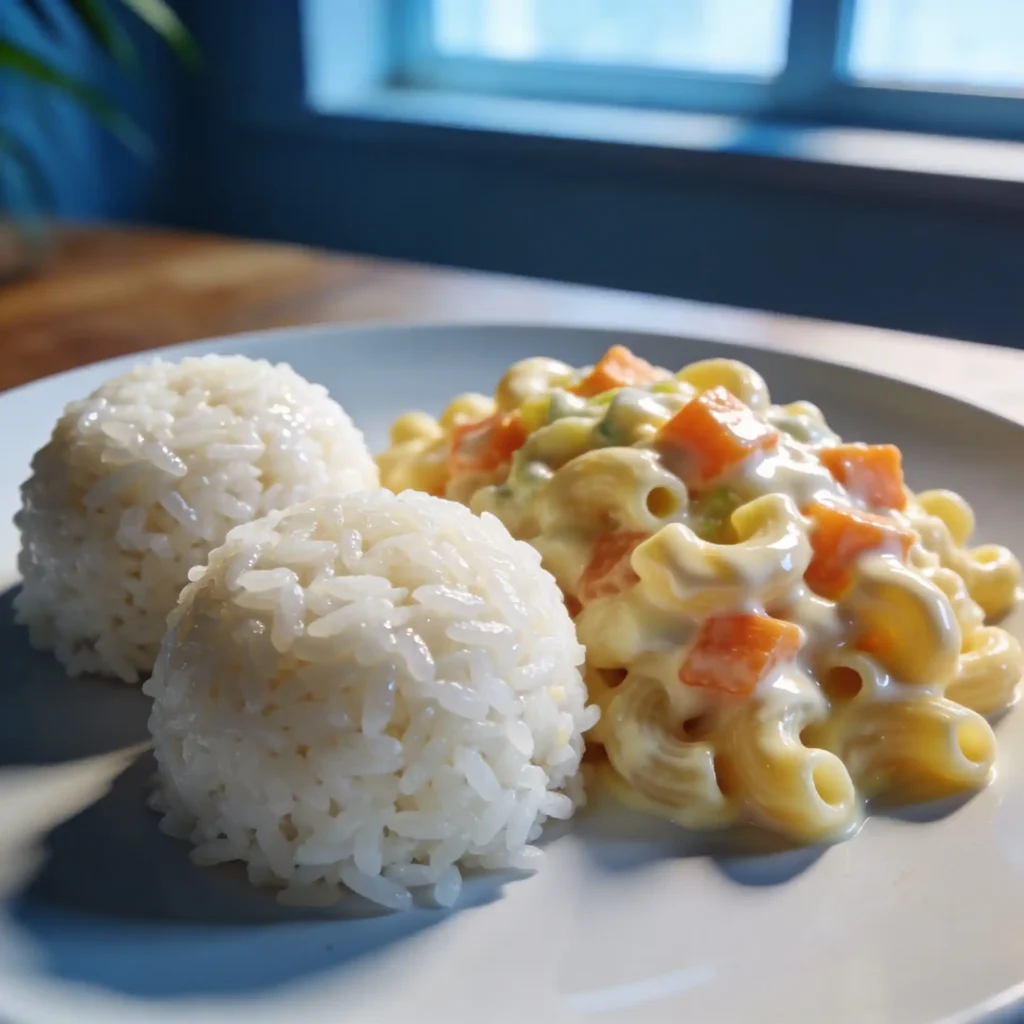
The second defining element of the Hawaiian Plate Lunch is the famous two scoops of rice. Visitors often notice the large portion of rice and wonder why it plays such a central role.
The answer goes back to plantation life. Workers needed filling meals that provided enough energy for long days in the fields. Rice offered a simple, affordable source of carbohydrates that could feed large groups of people.
Over time, the “two scoops” rule became a cultural standard in Hawaii. Restaurants began serving exactly two scoops of rice and one scoop of macaroni salad next to the main protein.
This structure still defines the classic plate lunch today.
| Plate Component | Purpose | Flavor Balance |
|---|---|---|
| Grilled Protein | Main flavor focus | Savory, smoky, sweet glaze |
| Two Scoops Rice | Filling base | Absorbs sauces |
| Macaroni Salad | Cooling side | Creamy and tangy contrast |
Together these three components create the perfect balance of savory meat, comforting starch, and creamy freshness that defines a traditional Hawaiian Plate Lunch.
Tropical Balance and Modern Plate Lunch Twists
Why fresh and acidic sides balance the Hawaiian Plate Lunch
A traditional Hawaiian Plate Lunch delivers rich flavors. Grilled meats carry sweet marinades, rice provides a hearty base, and macaroni salad adds creamy texture. However, a well-balanced plate often includes something bright and refreshing to cut through the richness.
Many modern Hawaiian kitchens add crisp vegetable sides to lighten the meal. A fresh cabbage salad offers crunch and a mild tang that balances smoky barbecue flavors. My Hawaiian Coleslaw recipe works especially well alongside grilled chicken or teriyaki beef because its sweet and slightly acidic dressing refreshes the palate between bites.
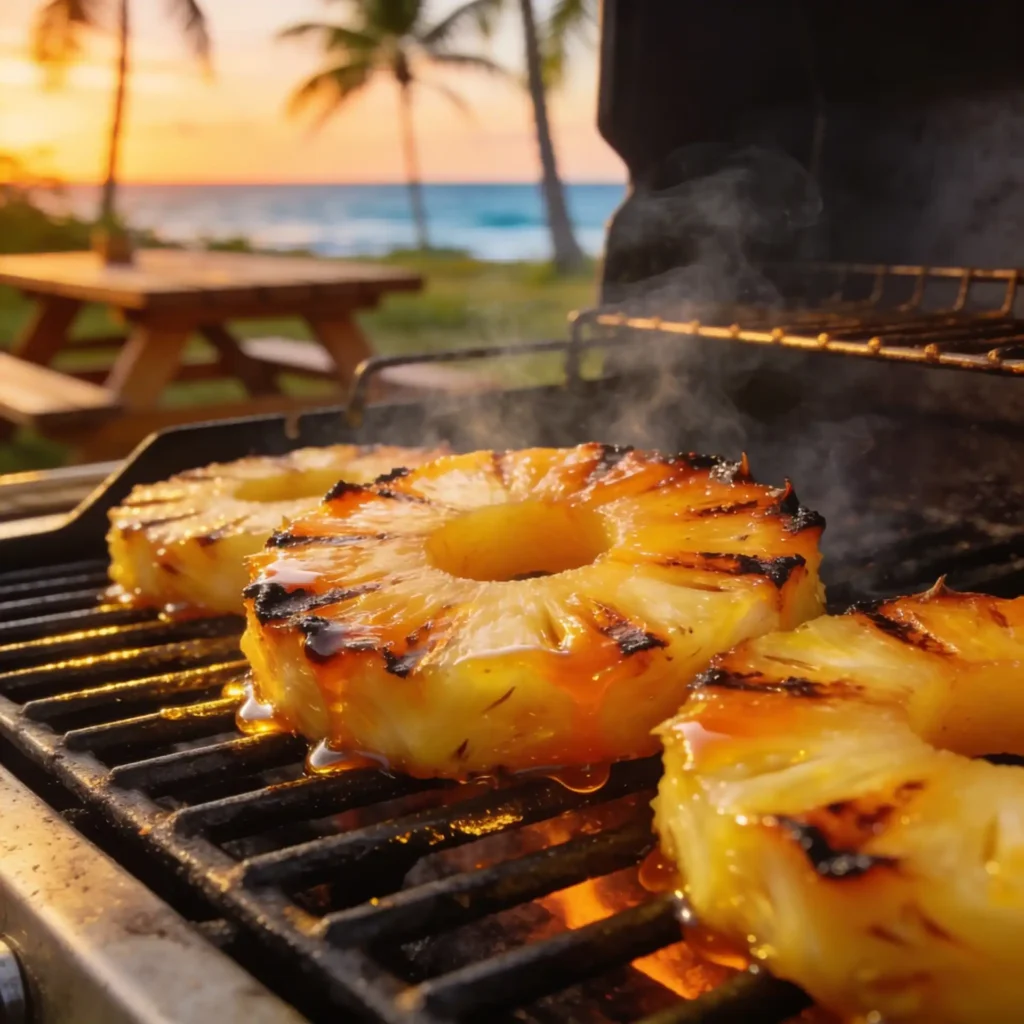
Fruit-based sides also play an important role in island cuisine. Pineapple appears frequently in Hawaiian cooking because its natural acidity pairs well with salty grilled meats. The fruit contains bromelain, a natural enzyme that helps break down protein and supports digestion after a heavy meal.
For this reason many cooks like serving Grilled Pineapple Sides alongside a plate lunch. When pineapple caramelizes on the grill, its sugars deepen while the fruit keeps its bright tropical flavor.
These lighter elements transform a heavy meal into a more balanced Hawaiian drive-in style meal.
Sweet island flavors that bridge savory dishes
Hawaiian cooking often blends sweet and savory flavors on the same plate. This combination reflects the island tradition of backyard gatherings and luau-style meals where multiple dishes appear together.
A small sweet side dish can bridge the gap between savory barbecue and dessert. One example comes from my Pineapple Bake Recipe (Longhorn Copycat). While it originally comes from a mainland steakhouse menu, its sweet pineapple flavor fits surprisingly well alongside grilled chicken or pork.
The warm pineapple and buttery topping create a comforting contrast to savory barbecue sauces. Even a small portion brings a festive feel to the meal.
This sweet-savory balance reflects the broader spirit of Hawaiian cooking. Meals rarely focus on one single flavor. Instead they combine salty, sweet, creamy, and fresh components in one plate.
That harmony explains why the Hawaiian Plate Lunch continues to attract food lovers around the world. Each bite brings a different flavor, yet everything works together in a simple, satisfying way.
The Sweet Ending – Hawaiian Desserts and Tropical Drinks
Traditional desserts served after a Hawaiian Plate Lunch
After finishing a full Hawaiian Plate Lunch, most people crave something light and refreshing rather than a heavy dessert. Hawaiian cuisine often ends meals with coconut-based sweets because they cleanse the palate after savory grilled meats.
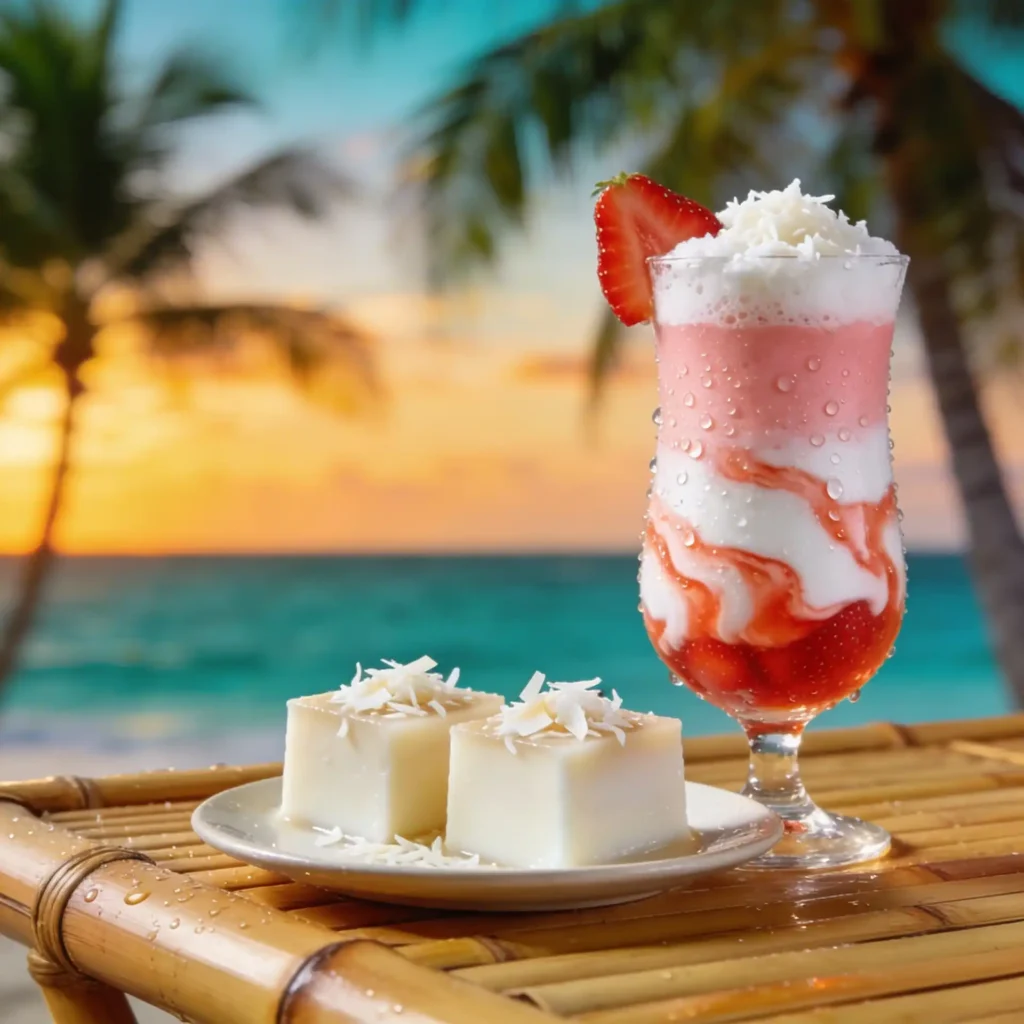
One of the most classic desserts is haupia, a soft coconut pudding that appears at many island gatherings and luaus. Its silky texture and delicate coconut flavor bring a gentle finish to a meal packed with savory barbecue and rice.
If you want to recreate that authentic island dessert at home, my Haupia Recipe explains how to prepare this traditional coconut pudding using simple ingredients. Once chilled, haupia sets into soft squares that provide the perfect refreshing contrast after a hearty Hawaiian drive-in style meal.
The light sweetness of coconut works particularly well because it does not overpower the lingering flavors of soy sauce, garlic, or grilled meat. Instead, it leaves the palate feeling clean and balanced.
That simple dessert tradition remains a staple at Hawaiian gatherings today.
Island drinks that complete the plate lunch experience
A proper Hawaiian Plate Lunch also pairs beautifully with tropical drinks. These beverages help cool the palate after sweet barbecue sauces and savory marinades.
One of the most recognizable island drinks is the lava flow, known for its creamy coconut base and vibrant strawberry swirl. For a family-friendly option without alcohol, my Virgin Lava Flow recipe captures the same tropical flavor combination that many beachside cafés serve across Hawaii.
The creamy coconut and sweet fruit flavors bring a refreshing contrast to salty grilled proteins.
For those who prefer a lighter drink with a bit more zing, my Pineapple Ginger Mocktail offers a great alternative. The bright acidity of pineapple pairs perfectly with the warm spice of ginger, which also echoes the ginger notes found in many Hawaiian barbecue marinades.
Together, these drinks help complete the full Hawaiian mixed plate guide experience. A balanced meal includes savory grilled meat, comforting starches, refreshing sides, and a cooling tropical beverage.
How to Build a Hawaiian Plate Lunch at Home
Step-by-step guide to assembling a Hawaiian Plate Lunch
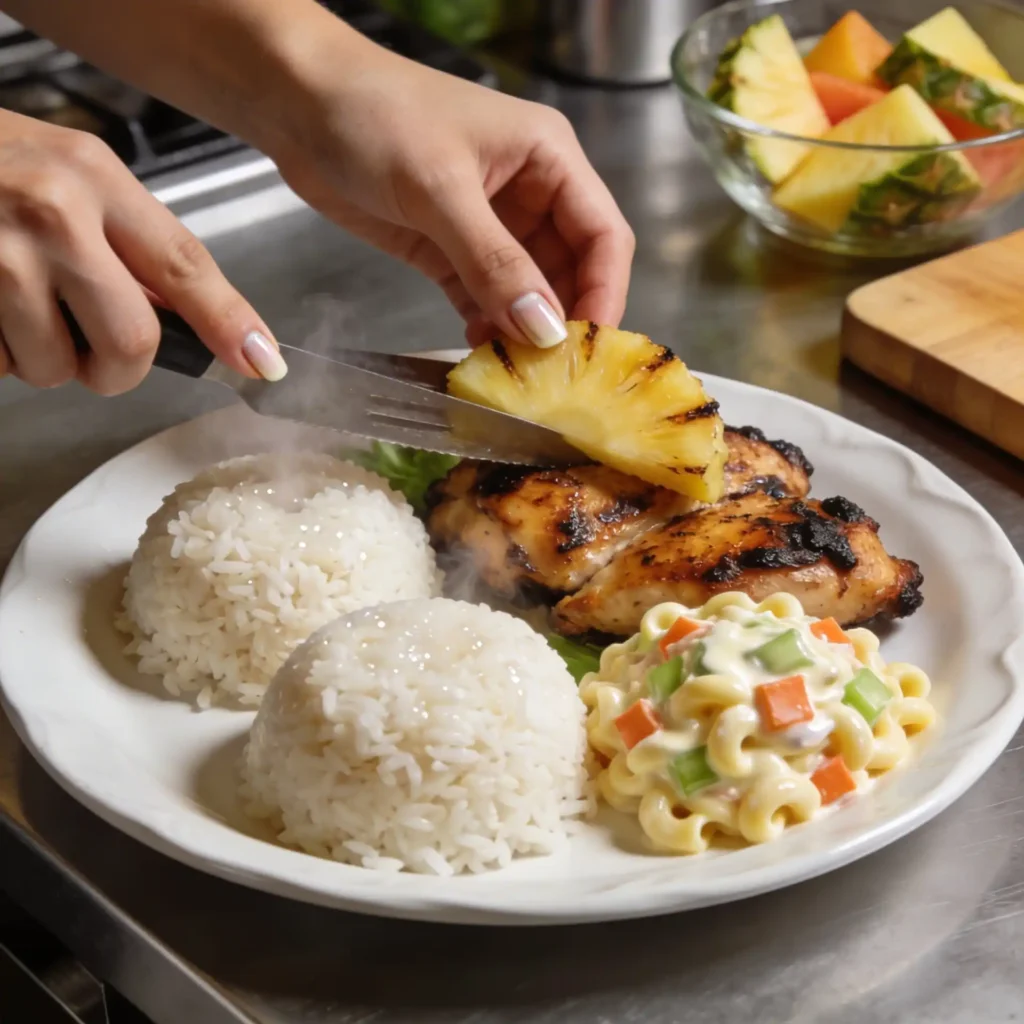
Creating an authentic Hawaiian Plate Lunch at home becomes much easier once you understand the classic plate structure. Every traditional plate follows the same layout that Hawaiian drive-ins have used for decades.
Start with the base. Scoop two portions of steamed white rice onto one side of the plate. Short-grain rice works best because it stays slightly sticky and absorbs savory sauces from grilled meats.
Next, add the creamy side dish. A single scoop of macaroni salad sits beside the rice to provide a cooling contrast. The creamy dressing balances the salty marinades used on grilled proteins.
Finally, place the main protein on the plate. Many home cooks choose grilled chicken because it cooks quickly and carries classic island flavor. My Hawaiian BBQ Chicken Recipe works especially well for recreating the taste of a true Hawaiian drive-in style meal.
Once the plate is assembled, the goal is simple: balance. The rice absorbs sauce, the macaroni salad cools the palate, and the grilled meat delivers bold flavor.
A finished plate might include:
| Component | Example | Purpose |
|---|---|---|
| Protein | Grilled chicken, kalua pork | Main flavor |
| Two Scoops Rice | Short-grain white rice | Absorbs sauces |
| Macaroni Salad | Creamy mayo dressing | Cooling contrast |
When all three elements come together, you create the true spirit of a Hawaiian mixed plate guide.
Timing tips for cooking the full plate lunch menu
Preparing a full Hawaiian Plate Lunch requires good timing so everything finishes at the same moment.
Start by cooking the rice first. Rice needs about 20 minutes to steam properly. While the rice cooks, prepare the macaroni salad and allow it to chill. Cold mac salad improves flavor because the dressing fully coats the noodles.
Next, grill the protein. Chicken or beef cooks quickly and should finish just before serving so the glaze remains warm and glossy.
If you want to add a tropical side, grilled pineapple makes a perfect final step. The fruit caramelizes quickly and brings natural sweetness that balances the savory plate.
To complete the experience, serve the meal with a tropical drink like a Virgin Lava Flow or a refreshing Pineapple Ginger Mocktail.
For even more island meal inspiration, you can also browse food ideas on Pinterest where many home cooks share their own creative plate lunch combinations.
Once you serve the finished plate, you will understand why the Hawaiian Plate Lunch has remained one of the most beloved comfort meals in island cuisine.
Which protein would you choose for your plate lunch? Let me know in the comments.
Frequently Asked Questions
What is a traditional Hawaiian plate lunch?
A traditional Hawaiian Plate Lunch includes three main components: a grilled or roasted protein, two scoops of white rice, and one scoop of macaroni salad. This combination reflects the plantation history of Hawaii and remains a standard meal served at local drive-ins across the islands.
Why is there macaroni salad in a Hawaiian plate lunch?
Macaroni salad balances the strong flavors of grilled meat and soy-based marinades. Its creamy texture cools the palate and complements the salty protein and plain rice.
What are the two scoops of rice for in Hawaii?
The two scoops of rice come from plantation-era meals where workers needed filling lunches for long workdays. Rice provided affordable energy and quickly became a staple part of the Hawaiian Plate Lunch.
How did the plate lunch originate in Hawaii?
The plate lunch originated on sugar plantations where workers from different cultures shared their meals. Over time their foods blended into one plate featuring rice, meat, and side dishes.
What is a Mixed Plate vs a Plate Lunch?
A plate lunch usually includes one protein with rice and macaroni salad. A mixed plate includes multiple proteins, such as chicken and teriyaki beef, served on the same plate.
What are the most popular proteins for a Hawaiian lunch?
Common proteins include Huli Huli chicken, kalua pork, teriyaki beef, and barbecue chicken. These meats carry sweet-savory marinades that pair well with rice and macaroni salad
Conclusion
The Hawaiian Plate Lunch tells a powerful story about the islands’ multicultural history. What started as shared plantation lunches eventually became one of Hawaii’s most iconic comfort meals.
The formula remains beautifully simple: grilled protein, two scoops of rice, and one scoop of macaroni salad. Yet within that simple structure lives a rich blend of cultures, flavors, and traditions.
Today this beloved meal continues to appear at beachside cafés, local drive-ins, and family kitchens across the islands.
Once you build your own Hawaiian Plate Lunch, you will quickly see why it remains one of the most satisfying and comforting meals in Hawaiian cuisine.
Print
Hawaiian Plate Lunch
- Total Time: 50 minutes
- Yield: 4 servings 1x
Description
This Hawaiian Plate Lunch brings together the island classic in one satisfying meal: juicy grilled chicken, two scoops of white rice, and one scoop of creamy Hawaiian macaroni salad. It’s hearty, comforting, and packed with sweet-savory flavor. This homemade version captures the spirit of a true Hawaiian drive-in style meal with simple ingredients and easy steps.
Ingredients
For the chicken
- 1 1/2 pounds boneless skinless chicken thighs
- 1/2 cup soy sauce
- 1/3 cup ketchup
- 1/3 cup brown sugar
- 1/4 cup pineapple juice
- 2 tablespoons rice vinegar
- 2 cloves garlic, minced
- 1 tablespoon fresh ginger, grated
- 1 tablespoon sesame oil
For the rice
- 3 cups cooked white short-grain rice
For the macaroni salad
- 2 cups elbow macaroni
- 1 1/4 cups mayonnaise
- 1/4 cup whole milk
- 1 tablespoon apple cider vinegar
- 1 teaspoon sugar
- 1/2 teaspoon salt
- 1/4 teaspoon black pepper
- 1/2 cup grated carrot
- 1/4 cup finely chopped celery
Optional garnish
- Sliced green onions
- Sesame seeds
- Grilled pineapple slices
Instructions
- In a bowl, whisk together soy sauce, ketchup, brown sugar, pineapple juice, rice vinegar, garlic, ginger, and sesame oil. Add the chicken and coat well. Let it marinate for at least 20 minutes.
- Cook the macaroni in salted water until very soft. Drain and let it cool slightly.
- In a large bowl, stir together mayonnaise, milk, vinegar, sugar, salt, and black pepper. Add the cooked macaroni, grated carrot, and chopped celery. Mix well, then chill in the refrigerator.
- Prepare the rice according to package directions or use freshly cooked short-grain white rice.
- Heat a grill pan or outdoor grill over medium heat. Cook the chicken for 5 to 7 minutes per side, or until fully cooked and nicely caramelized.
- Let the chicken rest for a few minutes, then slice if desired.
- Assemble each plate with two scoops of white rice, one scoop of macaroni salad, and a portion of grilled chicken.
- Garnish with green onions, sesame seeds, or grilled pineapple if desired. Serve warm.
Notes
Use chicken thighs for the juiciest texture and best caramelization.
Short-grain white rice gives the most authentic plate lunch feel.
For the best macaroni salad texture, cook the pasta a little softer than usual.
You can swap the chicken for teriyaki beef or kalua-style pork if you want a mixed plate variation.
Chill the macaroni salad before serving so the flavors come together fully.
- Prep Time: 25 minutes
- Cook Time: 25 minutes
- Category: Main Course
- Method: Grilling, Boiling
- Cuisine: Hawaiian
Nutrition
- Serving Size: 1 plate
- Calories: 780 kcal
- Sugar: 15g
- Sodium: 1180mg
- Fat: 34g
- Saturated Fat: 6g
- Unsaturated Fat: 25g
- Trans Fat: 0g
- Carbohydrates: 72g
- Fiber: 3g
- Protein: 42g
- Cholesterol: 135mg