Hawaiian Mochiko Chicken is crispy Japanese-Hawaiian fried chicken made with sweet rice flour, soy marinade, and island flavors. Learn the authentic recipe.
Introduction
The first time you walk past a Hawaiian drive-in during lunch hour, the air tells you everything. Soy sauce caramelizes on hot oil, garlic and ginger release their aroma, and somewhere behind the counter a batch of Hawaiian Mochiko Chicken is frying to golden perfection. As Chef Adriana, I’ve always believed that food tells the story of a place, and Hawaiian Mochiko Chicken is one of the most delicious examples of Hawaii’s multicultural kitchen.
While tourists often fall in love with smoky grilled dishes like the Hawaiian Huli Huli Chicken Stack, locals know that the crunchy, sweet-savory bite of Hawaiian Mochiko Chicken is pure island comfort food. This dish combines Japanese frying techniques with Hawaiian flavors to create a chicken recipe unlike any other.
In this in-depth guide, we’ll explore everything you need to know about Hawaiian Mochiko Chicken: the history, the science behind mochiko flour, the marinade secrets, and the frying techniques that produce the perfect chewy-crisp crust. By the end, you’ll not only know how to cook Hawaiian Mochiko Chicken—you’ll understand why it’s such an iconic dish across Hawaii.
Table of Contents
Table of Contents
What Is Hawaiian Mochiko Chicken?
What is mochiko chicken?
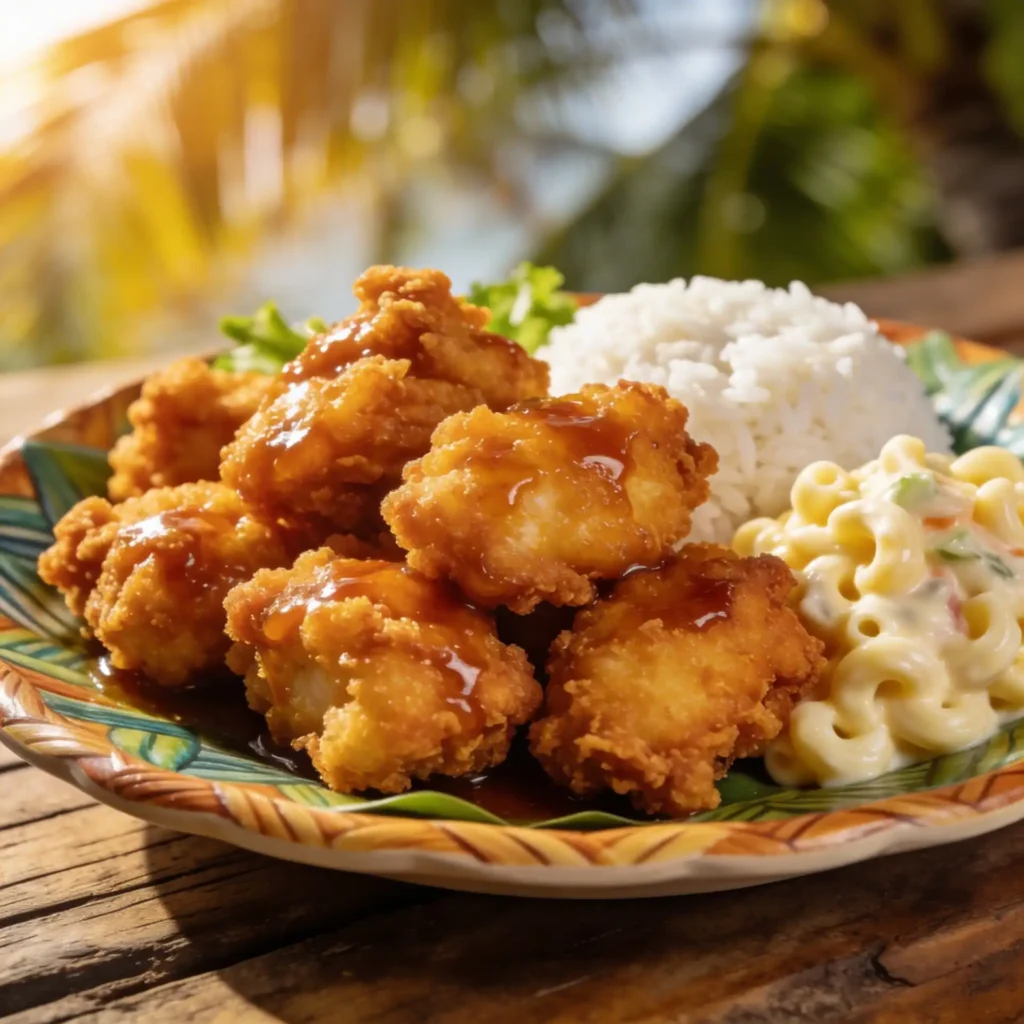
Hawaiian Mochiko Chicken is a fried chicken dish made by marinating chicken pieces in soy sauce, sugar, garlic, ginger, eggs, and mochiko flour (sweet rice flour). After marinating, the chicken is coated in additional mochiko flour and fried until golden brown.
Unlike traditional American fried chicken, which uses wheat flour or buttermilk batter, Hawaiian Mochiko Chicken relies on sweet rice flour for its unique texture. The result is a crust that feels both crispy and chewy at the same time.
This dish has become a staple of island cuisine and appears on menus ranging from family kitchens to drive-ins and food trucks.
Quick Answer
Hawaiian Mochiko Chicken is a Japanese-influenced fried chicken dish using sweet rice flour that creates a chewy-crisp texture and sweet-savory flavor.
What Does Hawaiian Mochiko Chicken Taste Like?
One bite of Hawaiian Mochiko Chicken reveals why this dish is so beloved. The flavor profile balances multiple elements at once:
- Soy sauce provides deep umami saltiness
- Sugar creates caramelized sweetness
- Garlic adds savory warmth
- Ginger introduces brightness and spice
When the chicken hits the fryer, these flavors concentrate in the crust, creating the signature taste of Hawaiian Mochiko Chicken.
Texture is just as important as flavor. The coating becomes crisp on the outside yet slightly chewy due to the rice flour. This contrast makes every bite satisfying.
Because of its rich flavor and crispy texture, Hawaiian Mochiko Chicken pairs perfectly with creamy sides like the Hawaiian Macaroni Salad Recipe, which softens the bold fried crunch with smooth tangy creaminess.
The Starch Science Behind Mochiko Flour
What is mochiko made of?
Mochiko flour is made from glutinous rice, also called sweet rice. Despite the name, glutinous rice does not contain gluten. Instead, it contains extremely high levels of a starch molecule called amylopectin.
Amylopectin behaves differently from the starch found in wheat flour. When heated, it forms a flexible gel structure rather than a brittle crust.
| Flour Type | Starch Type | Texture Result |
|---|---|---|
| Wheat Flour | Amylose dominant | Crispy but brittle |
| Cornstarch | Amylose heavy | Light crispy coating |
| Mochiko Flour | Amylopectin rich | Chewy crisp texture |
Because mochiko flour is rich in amylopectin, Hawaiian Mochiko Chicken develops a flexible crust that traps moisture inside the meat while staying crispy outside.
Japanese Roots of Hawaiian Mochiko Chicken
What is the difference between karaage and mochiko chicken?
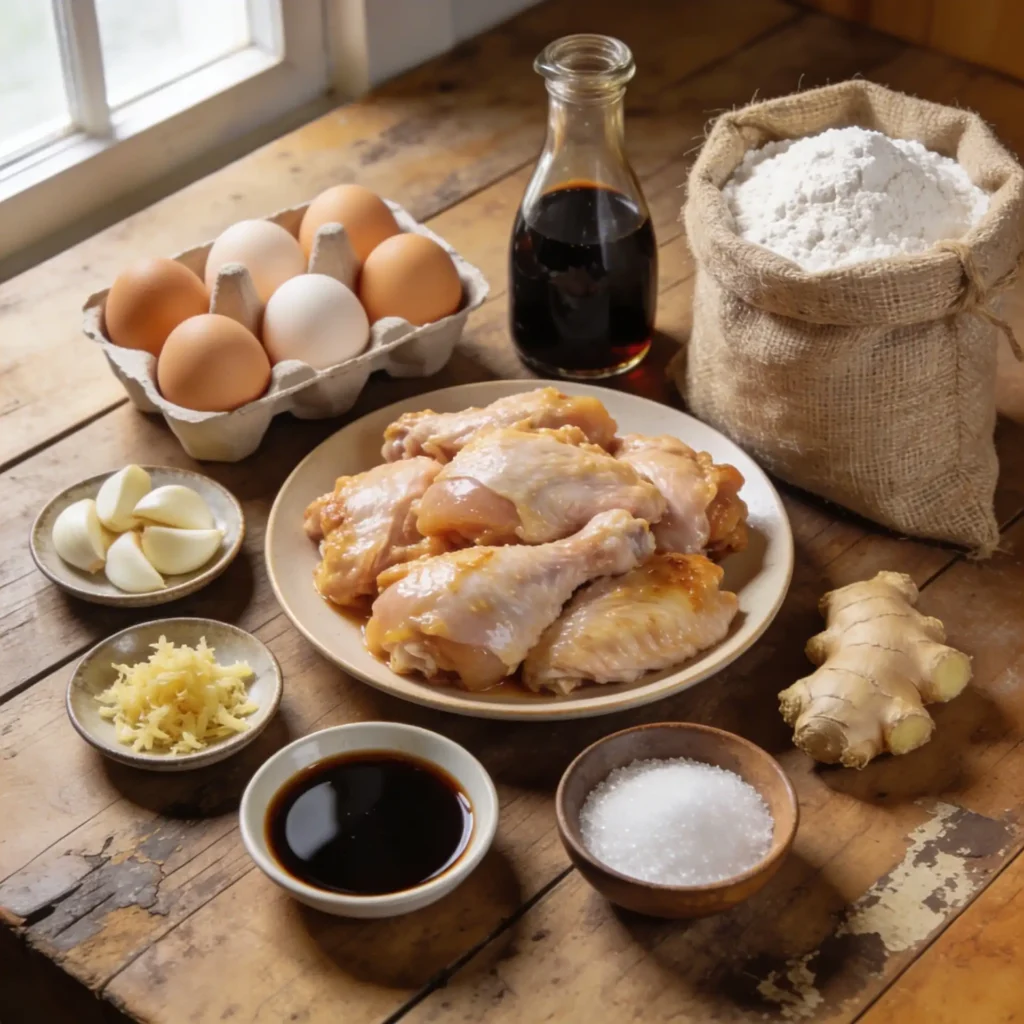
Japanese karaage is a fried chicken dish marinated in soy sauce, garlic, and ginger before being coated in potato starch or wheat flour.
Hawaiian Mochiko Chicken evolved from this technique, but it replaces potato starch with sweet rice flour. This substitution produces a thicker and slightly chewy crust.
Japanese immigrants introduced karaage to Hawaii during the late 19th and early 20th centuries. As the dish spread through island communities, local cooks adapted it using mochiko flour.
Over time, this variation became known as Hawaiian Mochiko Chicken and developed its own identity within Hawaiian cuisine.
Compared with lighter fried dishes like Bang Bang Chicken, which rely on cornstarch for a delicate crunch, Hawaiian Mochiko Chicken produces a heartier crust with more chew.
The Marinade Secret Behind Hawaiian Mochiko Chicken
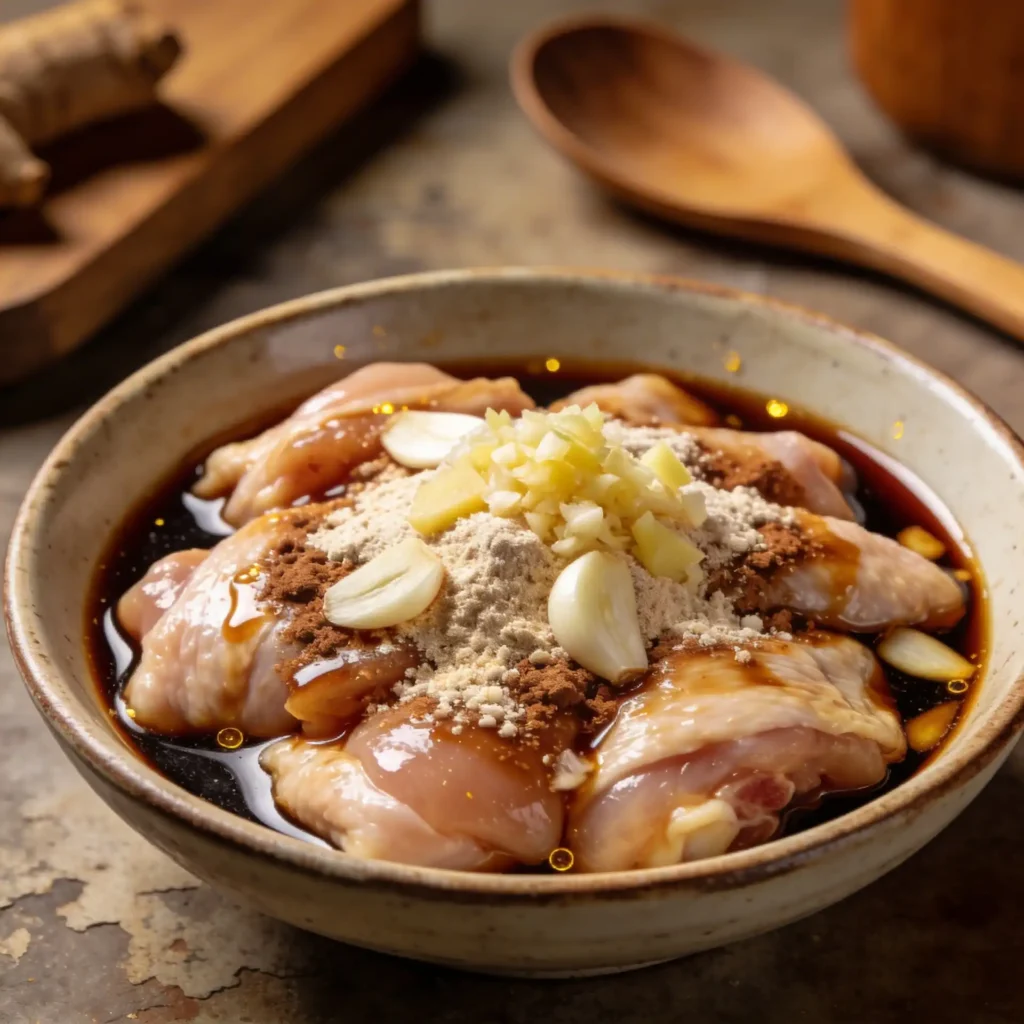
One of the biggest secrets to great Hawaiian Mochiko Chicken is the marinade.
Traditional marinades combine:
- Soy sauce
- Sugar
- Garlic
- Ginger
- Eggs
- Mochiko flour
Chicken thighs soak in this mixture for at least 12–24 hours. The marinade penetrates the meat and builds deep flavor.
The Pink Salt Trick
Professional chefs often rely on the Pink Salt Trick when marinating chicken. Salt draws moisture from the surface of the meat, allowing seasoning to penetrate more deeply.
Using mineral salt instead of refined table salt can also improve flavor balance. Mineral salts contain trace elements that enhance savory flavors, which is why many chefs prefer techniques discussed in Cooking with Pink Salt.
Ginger’s Tenderizing Power
Ginger contains an enzyme called zingibain that naturally tenderizes meat. When combined with soy sauce and sugar, ginger transforms tough chicken thighs into juicy, flavorful pieces ready for frying.
Chef Adriana’s Masterclass on Frying Mochiko Chicken
The difference between good and exceptional Hawaiian Mochiko Chicken often comes down to frying technique.
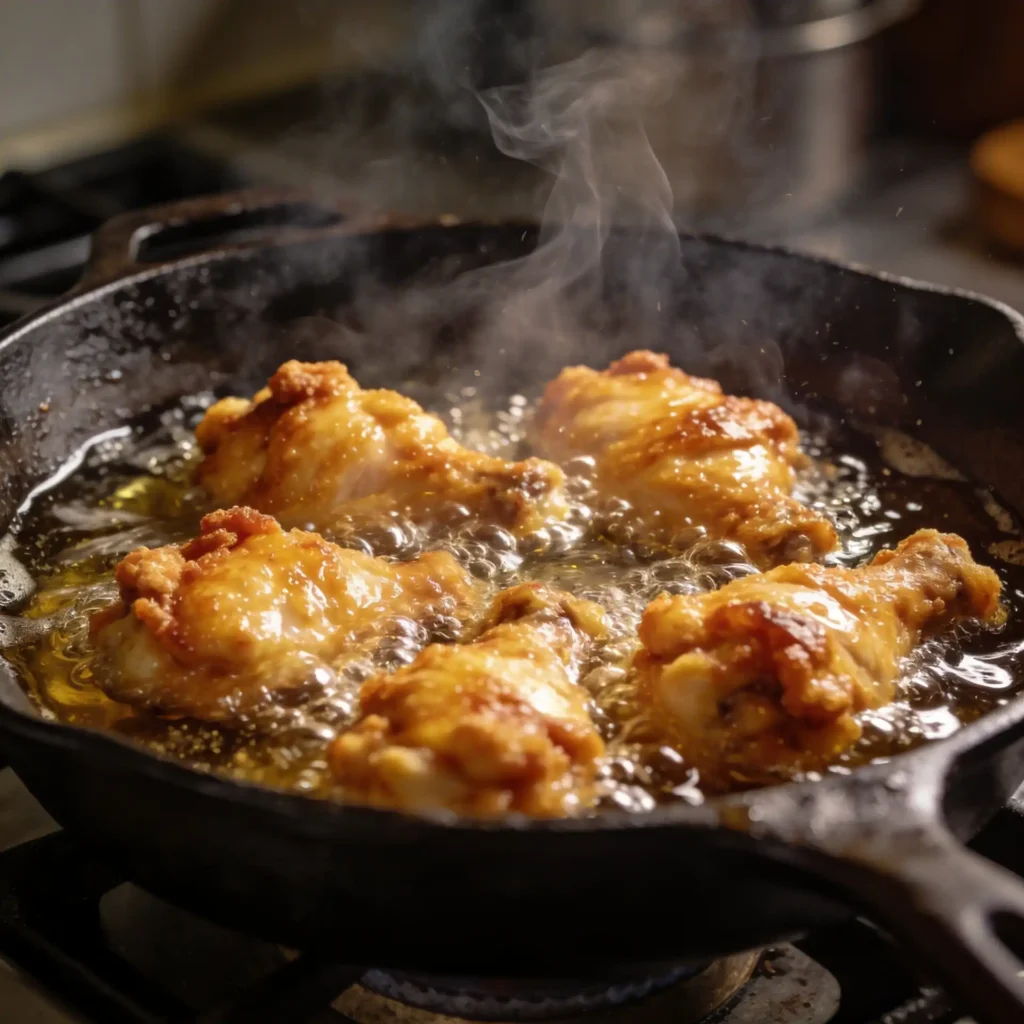
Ideal Oil Temperature
The perfect frying temperature sits between 340°F and 350°F.
If oil temperature drops too low:
- The coating absorbs oil
- The chicken becomes greasy
If the oil is too hot:
- The crust burns
- The interior remains undercooked
Maintaining stable oil temperature is essential.
These same principles appear in recipes like Easy Beef Empanadas Recipe, where oil control prevents soggy pastries.
Step-by-Step Frying Guide
- Heat neutral oil to 350°F
- Remove chicken from marinade
- Lightly coat in mochiko flour
- Fry in small batches
- Cook 6–7 minutes until golden brown
- Drain on wire rack
Using a wire rack rather than paper towels allows steam to escape, preserving the crisp texture.
Hawaiian Mochiko Chicken in the Famous Plate Lunch
What is a Hawaiian plate lunch?
The Hawaiian plate lunch is one of the most recognizable meals in Hawaiian cuisine.
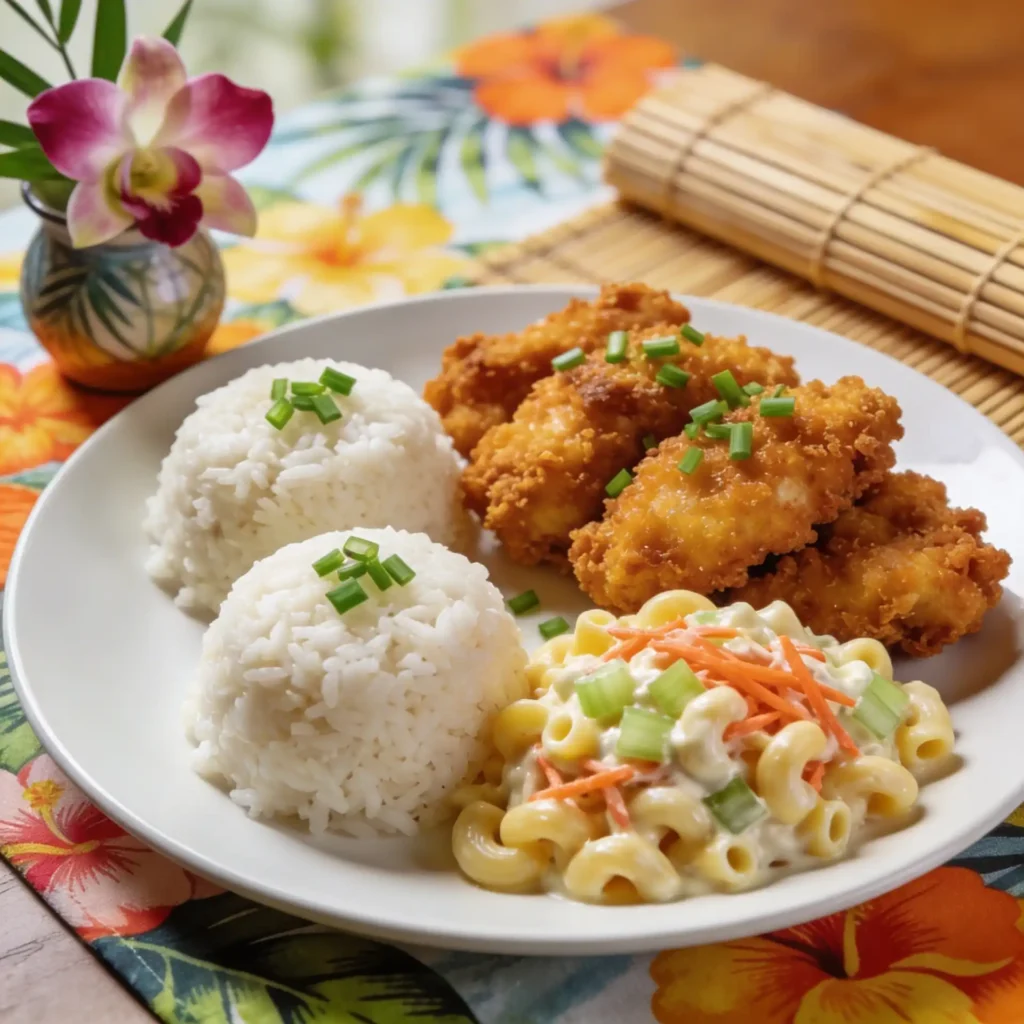
A traditional Hawaiian Plate Lunch includes:
- Two scoops of rice
- One scoop macaroni salad
- One protein
Hawaiian Mochiko Chicken is one of the most popular protein choices.
The Texture Rule
Island cooks often follow the rule:
Two Scoops Rice, One Scoop Mac
This combination balances textures:
- Crispy chicken
- Creamy macaroni salad
- Soft steamed rice
For a grilled alternative, some diners pair mochiko chicken with recipes like Hawaiian BBQ Chicken Recipe.
Best Drinks and Desserts to Serve With Mochiko Chicken
Because Hawaiian Mochiko Chicken is rich and savory, pairing it with refreshing drinks helps balance the meal.
A citrus-forward drink like the Virgin Strawberry Mojito cuts through the fried coating with bright acidity.
For dessert, many Hawaiian meals finish with coconut sweets. The silky coconut pudding in Haupia Recipe provides a light tropical ending.
Common Mochiko Chicken Mistakes
What are common mochiko chicken mistakes?
Even experienced cooks sometimes struggle with Hawaiian Mochiko Chicken. The most frequent mistakes include:
- Oil temperature too low
- Using wheat flour instead of mochiko flour
- Overcrowding the fryer
- Skipping the overnight marinade
| Problem | Cause | Solution |
|---|---|---|
| Soggy coating | Low oil temperature | Maintain 350°F |
| Tough chicken | No marinade | Marinate 24 hours |
| Soft crust | Wrong flour | Use mochiko flour |
Frequently Asked Questions About Hawaiian Mochiko Chicken
What is mochiko chicken?
Hawaiian Mochiko Chicken is a Japanese-Hawaiian fried chicken dish made by marinating chicken thighs in soy sauce, garlic, ginger, sugar, and eggs before coating them in sweet rice flour (mochiko) and frying until golden and crispy.
What does mochiko chicken taste like?
The flavor of Hawaiian Mochiko Chicken is sweet, savory, and deeply umami thanks to soy sauce, garlic, ginger, and sugar that caramelizes during frying while the mochiko coating creates a crispy yet slightly chewy crust.
What is mochiko made of?
Mochiko is made from finely milled glutinous sweet rice, which is naturally high in amylopectin starch that gives Hawaiian Mochiko Chicken its signature chewy-crisp texture.
What is the difference between karaage and mochiko chicken?
The main difference is the coating: Japanese karaage uses potato starch or wheat flour while Hawaiian Mochiko Chicken uses sweet rice flour, producing a thicker and slightly chewy fried crust.
What makes mochiko chicken unique?
Hawaiian Mochiko Chicken stands out because of its sweet soy marinade and mochiko flour coating, which creates a crispy exterior with a subtle chew that is very different from traditional fried chicken.
What are common mochiko chicken mistakes?
Common mistakes when cooking Hawaiian Mochiko Chicken include using regular flour instead of mochiko flour, frying at the wrong oil temperature, or skipping the overnight marinade that allows the flavors to fully penetrate the chicken.
For more island recipes and cooking inspiration, you can also explore my recipe collections on Pinterest.
Final Thoughts from Chef Adriana
Few dishes represent the spirit of Hawaii better than Hawaiian Mochiko Chicken. This recipe blends Japanese frying traditions, island ingredients, and American comfort cooking into one unforgettable dish.
From the chewy-crisp crust created by sweet rice flour to the soy-ginger marinade that penetrates deep into the chicken, Hawaiian Mochiko Chicken proves that small ingredient choices can create dramatic results.
Whether you serve it in a traditional plate lunch or alongside refreshing drinks and coconut desserts, Hawaiian Mochiko Chicken brings the flavors of Hawaii straight to your kitchen.
If you enjoyed this guide, explore more recipes and cooking inspiration by visiting my Pinterest profile and saving your favorite Hawaiian dishes.
Print
Hawaiian Mochiko Chicken
- Total Time: 35 minutes (plus marinating)
- Yield: 4 servings 1x
Description
Hawaiian Mochiko Chicken is a crispy Japanese-Hawaiian fried chicken dish made with sweet rice flour, soy sauce, garlic, ginger, and sugar. The chicken marinates overnight to absorb deep umami flavor before being coated in mochiko flour and fried until golden and crunchy. This island favorite is famous for its unique chewy-crisp texture and is commonly served with steamed rice and macaroni salad as part of a traditional Hawaiian plate lunch.
Ingredients
- 2 pounds boneless skinless chicken thighs, cut into bite-size pieces
- 1/2 cup soy sauce
- 1/2 cup sugar
- 4 cloves garlic, minced
- 1 tablespoon fresh ginger, grated
- 2 large eggs
- 1 cup mochiko flour (sweet rice flour)
- 1/2 cup cornstarch
- 1 teaspoon sesame oil
- 1 teaspoon salt
- 1/2 teaspoon black pepper
- Vegetable oil or canola oil for frying
- Optional garnish: chopped green onions or sesame seeds
Instructions
- Cut the chicken thighs into bite-sized pieces and place them in a large mixing bowl.
- Add soy sauce, sugar, garlic, grated ginger, eggs, sesame oil, salt, and black pepper to the bowl. Mix well so the chicken is evenly coated in the marinade.
- Stir in mochiko flour and cornstarch until the chicken pieces are fully coated with the marinade mixture.
- Cover the bowl and refrigerate for at least 12 hours, preferably overnight, so the marinade fully penetrates the chicken.
- Heat vegetable oil in a deep pot or fryer to about 350°F (175°C).
- Remove the marinated chicken from the refrigerator and stir gently to redistribute the coating.
- Fry the chicken pieces in small batches for about 5–7 minutes, turning occasionally, until the coating becomes golden brown and crispy.
- Remove the fried chicken using a slotted spoon and place it on a wire rack to drain excess oil.
- Repeat with the remaining chicken until all pieces are cooked.
- Garnish with chopped green onions or sesame seeds and serve hot.
Notes
• Chicken thighs work best because they stay juicy during frying and absorb marinade more effectively than chicken breasts.
• Marinating overnight is highly recommended for authentic Hawaiian Mochiko Chicken flavor.
• If the coating seems too thick, add a small splash of water to the marinade before frying.
• Always fry in small batches to keep oil temperature stable and maintain crispy texture.
- Prep Time: 20 minutes
- Marinating Time: 12–24 hours
- Cook Time: 15 minutes
- Category: Main Course
- Method: Deep Frying
- Cuisine: Hawaiian / Japanese-Hawaiian
Nutrition
- Serving Size: Per Serving
- Calories: 420 kcal
- Sugar: 12 g
- Sodium: 950 mg
- Fat: 22 g
- Carbohydrates: 26 g
- Protein: 28 g