Old Fashioned Rhubarb Jelly is one of those preserving recipes that feels tied to spring the moment you start chopping the stalks. It turns tart, blushing rhubarb into a bright, clear jelly that looks beautiful in the jar and tastes just as good on toast as it does beside savory dishes.
If you love preserving the bright flavors of seasonal produce, you must also try our sweet and spicy strawberry jalapeno jam recipe. It moves in a different direction, but it has that same homemade jar appeal.
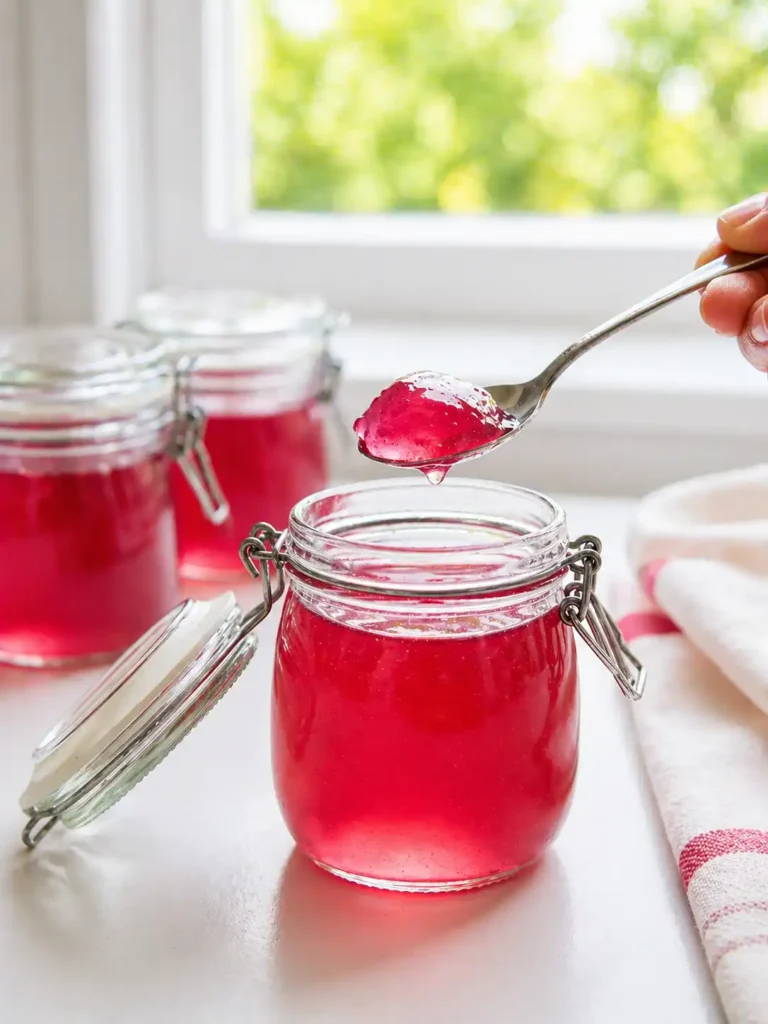
What makes Old Fashioned Rhubarb Jelly special is its clarity. Unlike jam, which keeps the fruit pieces, jelly relies on pure strained juice, and that gives it the jewel-like look that so many home canners love.
I love recipes like this because they take a humble seasonal ingredient and turn it into something polished and giftable. A row of pink jars cooling on the counter always feels like a small celebration of spring.
Hi, I’m Chef Adriana, and I have always loved old-fashioned preserves that reward patience and simple technique. Old Fashioned Rhubarb Jelly does exactly that, especially when you let the juice drip slowly and resist the urge to rush the process.
The first time I made a proper jelly instead of a jam, I remember being surprised by how elegant it looked. The color was brighter than I expected, the texture felt lighter on the tongue, and the whole batch looked like something much fancier than chopped stalks and sugar.
Table of Contents
Table of Contents
Why Old Fashioned Rhubarb Jelly Is a Spring Classic
The Difference Between Rhubarb Jam and Jelly
Old Fashioned Rhubarb Jelly is not the same as rhubarb jam, even though both begin with the same tart vegetable. Jam uses chopped fruit or cooked pulp, while jelly uses only the clear juice that drains away from the cooked fruit.
That difference changes the whole character of the preserve. Jam feels rustic, spoonable, and fruit-forward, while Old Fashioned Rhubarb Jelly feels smoother, lighter, and much more polished in the jar.
I think that is part of its charm. Jelly looks delicate and refined, but the process still feels deeply old-fashioned and practical.
The clarity matters here. A good jelly catches the light, holds a clean shape on a spoon, and shows off that lovely pink color without cloudy pulp floating through it.
That is why straining becomes such a big part of the method. The beauty of Old Fashioned Rhubarb Jelly depends on letting the fruit do its work, then stepping back and letting the juice separate on its own.
Why Rhubarb Still Belongs in the Spring Pantry
Rhubarb has a flavor that feels unmistakably seasonal. It is sharp, tangy, and bright in a way that wakes up the palate after heavier winter foods.
That tartness is exactly why Old Fashioned Rhubarb Jelly works so well. Once sugar and a little lemon come in, the result tastes balanced instead of harsh, but the rhubarb still keeps its lively edge.
I like that rhubarb jelly tastes old-fashioned without feeling boring. It works on biscuits and scones, but it also feels surprisingly good next to roast meats and savory appetizers.
Spring preserving recipes do not always have to be strawberry-forward. Old Fashioned Rhubarb Jelly proves that one humble stalk can still become something memorable when treated with care.
Why Trust This Recipe
Chef Adriana focuses on classic preserve recipes that keep traditional texture and flavor in place while making each step clear and workable for home cooks.
Essential Ingredients for a Flawless Set
Extracting the Best Juice from Fresh Rhubarb
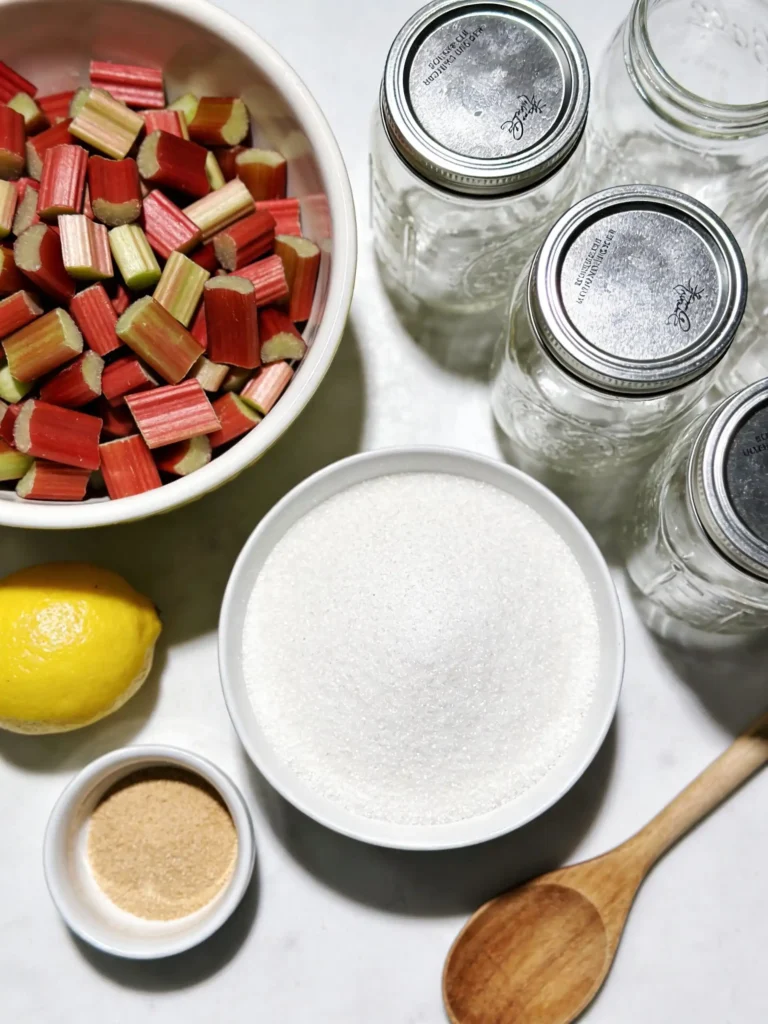
The quality of the juice shapes the whole batch of Old Fashioned Rhubarb Jelly. Fresh rhubarb gives the cleanest flavor and the prettiest color, especially when the stalks still feel firm and crisp.
I like to wash the stalks well, trim them, and cut them into short pieces before simmering. There is no need to peel them, because the skin helps contribute color during the cooking stage.
The goal at this point is not to make a finished preserve yet. You are simply coaxing the juice out gently so the later jelly has the best raw material possible.
A splash of lemon juice helps here too. It brightens the flavor, but it also contributes acidity, which matters when the pectin and sugar start building the final set.
That is one reason Old Fashioned Rhubarb Jelly tastes fresher than people expect. The lemon does not take over, but it sharpens the whole profile in a very helpful way.
Using Liquid vs. Powdered Pectin
Pectin gives Old Fashioned Rhubarb Jelly its structure, but liquid and powdered versions behave differently. That means you cannot swap them casually without also changing the order of the recipe.
Powdered pectin usually goes in earlier with the juice, while liquid pectin often gets added near the end after the sugar has dissolved and the mixture reaches the right boil. That timing matters because the set depends on more than the pectin alone.
The pectin, sugar, and acid all need to work together. If one part arrives at the wrong moment, the jelly may stay thin or set unevenly.
I like liquid pectin for its convenience, but powdered pectin works beautifully too when the recipe is written for it. The real key is following the order that matches the type you chose.
Old Fashioned Rhubarb Jelly also benefits from a few flavor additions if you want a slight twist. The base is classic and clean enough to handle a little extra character.
Here is a simple flavor add-in guide:
To balance the extreme tartness of rhubarb, I like using ideas from our cooking with pink salt guide. If you prefer a thicker, slow-cooked fruit spread, check out our rich slow cooker peach butter.
The Step-by-Step Juicing and Boiling Process
Simmering and Straining the Fruit (Do Not Squeeze!)
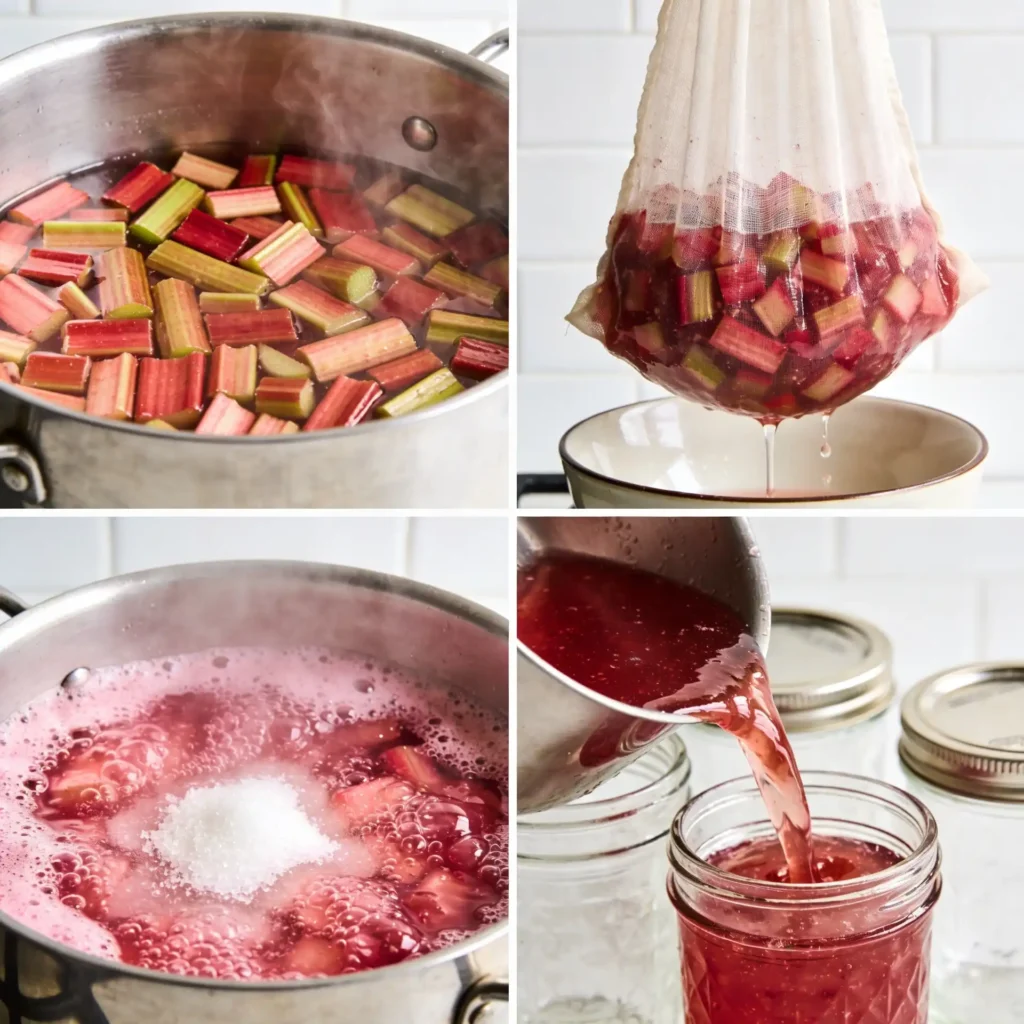
The first real stage of Old Fashioned Rhubarb Jelly is cooking the rhubarb with water until the stalks soften and release their juice. This part should feel gentle, not aggressive, because you want extraction without scorching or muddy flavor.
Once the rhubarb has softened, the mixture needs to go into a jelly bag or layered cheesecloth. Then the hardest part begins, because the best thing you can do is wait.
A clear jelly comes from clear juice. If you squeeze the bag, you force pulp through the cloth and turn the final batch cloudy.
Chef’s Note: Let the cooked rhubarb drip naturally through the jelly bag overnight. The wait feels long, but Old Fashioned Rhubarb Jelly looks much prettier when the juice drains on its own.
That patience is part of the traditional process. It is also one of the reasons old jelly recipes feel so rewarding.
The Science of the Hard Rolling Boil
Once you have the strained juice, the jelly moves into its most important cooking stage. The sugar, juice, lemon, and pectin need a full hard rolling boil so the mixture can build the right structure.
A hard rolling boil means the bubbles stay active even when you stir. This level of heat matters because a weak simmer will not create the same final set.
Old Fashioned Rhubarb Jelly moves quickly once the sugar goes in, so I like having everything measured before the pot starts heating. That makes the last few minutes feel calmer and much easier to control.
Here is the full process:
- Wash and trim the rhubarb stalks.
- Cut the rhubarb into small pieces.
- Place the rhubarb in a large pot with water.
- Simmer until the stalks break down and release their juice.
- Pour the cooked rhubarb into a jelly bag or cheesecloth-lined colander.
- Let the juice drip naturally, ideally overnight.
- Measure the clear juice exactly.
- Return the juice to a clean pot with lemon juice and the pectin required by your formula.
- Bring the mixture to a full boil.
- Add the sugar and stir until dissolved.
- Bring everything to a hard rolling boil.
- Boil according to your pectin instructions, then move quickly into clean jars.
That boil is where Old Fashioned Rhubarb Jelly becomes real jelly instead of sweet rhubarb syrup. It is worth paying close attention during that short, active stage.
Master your sugar-setting instincts with our fiery cherry chipotle firecracker jam. Practice more stovetop extraction and safe handling with our green detox broth recipe.
Expert Water Bath Canning Instructions
Sterilizing Jars and Measuring Headspace
A good canning day starts before the jelly reaches the jars. Clean jars, hot lids, and a ready water bath matter because Old Fashioned Rhubarb Jelly moves quickly once the final boil is done.
I like to wash the jars well and keep them hot until filling time. Hot jelly goes into hot jars more smoothly, and that helps everything work together more cleanly.
Headspace matters too. For this jelly, leave about 1/4 inch headspace so the jars can seal properly during processing.
Too much headspace can affect the seal, and too little can lead to bubbling or overflow. That small measurement makes a bigger difference than many first-time canners expect.
Safe Processing Times for Pantry Storage
Old Fashioned Rhubarb Jelly generally gets a standard 10-minute boiling water bath, though altitude can affect timing. The water should fully cover the jars while they process.
Once the time is up, lift the jars out carefully and let them cool undisturbed on a towel-lined surface. As they cool, the lids should pull down and seal.
This is one of my favorite moments in canning. The jars sit quietly on the counter, and the little ping of sealing lids feels like the final reward for the work.
Here is a simple troubleshooting chart:
If you want a quick refrigerator condiment instead of a canned one, whip up our quick pickled red onions. That recipe gives you the same homemade satisfaction with a much shorter timeline.
The Best Ways to Serve Your Homemade Jelly
Spreading on Warm Biscuits and Scones
Old Fashioned Rhubarb Jelly shines at breakfast. Warm biscuits, buttered toast, and fresh scones all give it a soft backdrop that lets the tart-sweet flavor stand out.
I especially love it on foods that are slightly rich and mild. The jelly cuts through butter beautifully and makes simple baked goods taste much more special.
It also works wonderfully on pancakes and waffles. That bright rhubarb note keeps breakfast from feeling too heavy or too sweet.
The color makes a difference too. Old Fashioned Rhubarb Jelly looks beautiful on pale breads and pastries, which is part of why it feels so giftable and charming.
Using Rhubarb Jelly as a Meat Glaze
Rhubarb jelly is not just for toast. Old Fashioned Rhubarb Jelly can also melt into a glossy glaze that tastes wonderful on savory foods, especially chicken and pork.
That works because rhubarb has natural acidity. Once the sugar and pectin are there, the preserve still carries enough tang to cut through richer meats.
I like warming a few spoonfuls with a tiny splash of water if I want a quick glaze. It turns silky and easy to brush almost immediately.
Slather this bright pink jelly over a stack of our fluffy cottage cheese pancakes recipe for breakfast. It also makes an excellent filling layer for our classic easy marble bundt cake recipe.
Melt a few tablespoons of Old Fashioned Rhubarb Jelly to use as a sweet-and-sour glaze for our crispy smoked chicken wings. The flavor contrast is bright and surprisingly addictive.
Frequently Asked Questions
Can you make rhubarb jelly without pectin?
You can, but it becomes less predictable because rhubarb is not naturally high in pectin. Old Fashioned Rhubarb Jelly is usually much more reliable with added pectin.
How do I get jelly to thicken properly?
You need the right balance of juice, sugar, acid, and pectin, plus a full hard rolling boil. Old Fashioned Rhubarb Jelly also benefits from exact measuring rather than guessing.
What brings out the flavor of rhubarb?
Sugar softens the tartness, while lemon brightens the flavor even more. A tiny bit of salt can also make Old Fashioned Rhubarb Jelly taste more balanced.
Why did my homemade jelly turn out cloudy?
Cloudiness usually happens when the jelly bag gets squeezed and pulp slips through. Letting the juice drip naturally is the best way to keep Old Fashioned Rhubarb Jelly clear.
What is the best sweetener for rhubarb?
Traditional jelly uses granulated sugar because the pectin system depends on it. Rhubarb is very tart, so regular sugar usually gives the best flavor and set.
How long does canned jelly last on the shelf?
A properly processed jar of Old Fashioned Rhubarb Jelly can last a long time in a cool, dark pantry. Once opened, it belongs in the refrigerator.
Conclusion
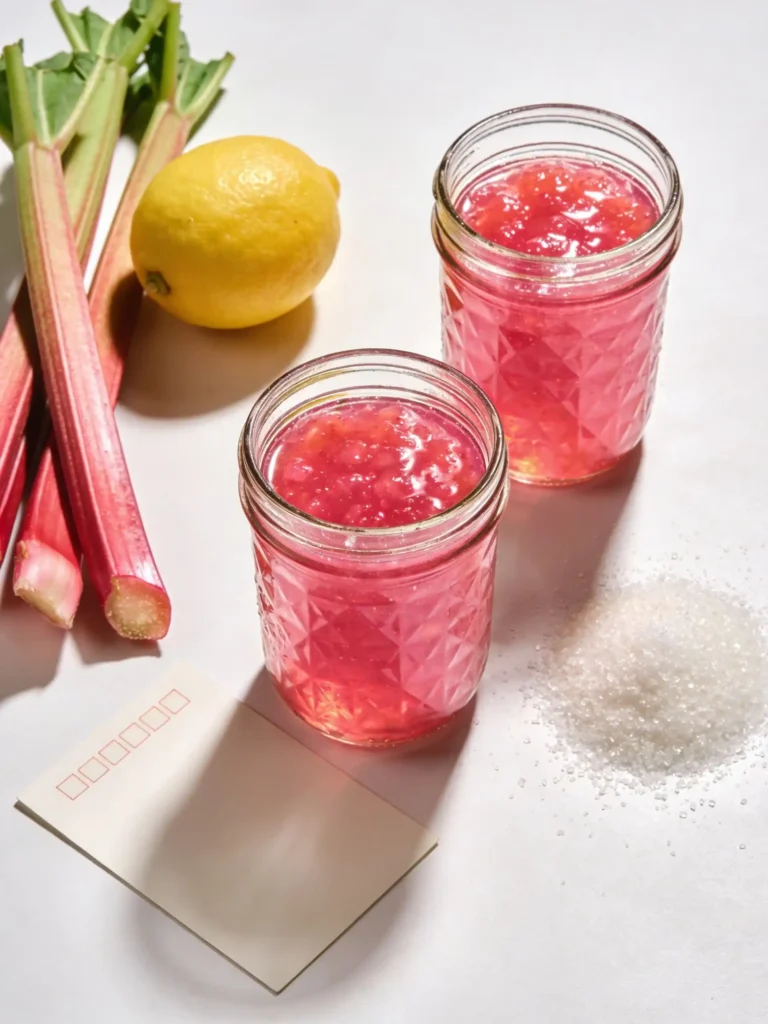
Old Fashioned Rhubarb Jelly is one of the prettiest and most rewarding spring preserves you can make. It takes a tart, humble ingredient and turns it into something clear, bright, and useful far beyond the breakfast table.
The best batch depends on patience more than anything else. Let the juice drip naturally, follow the pectin directions closely, keep the boil strong, and give the jars the proper water bath.
Once you make it successfully, Old Fashioned Rhubarb Jelly becomes one of those recipes that feels worth repeating every season. If you have leftover rhubarb, bake it into a comforting pan of our grandmas apple crumb bars by swapping out half the fruit.
Print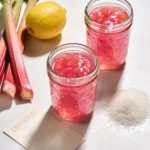
Old Fashioned Rhubarb Jelly
- Total Time: 12 hours including straining and cooling
- Yield: 5 half-pint jars 1x
Description
A bright Old Fashioned Rhubarb Jelly made from clear strained rhubarb juice, sugar, lemon, and pectin for a classic spring canning recipe.
Ingredients
- 4 pounds fresh rhubarb, chopped
- 4 cups water
- 1/4 cup lemon juice
- 1 package liquid or powdered pectin, matched to your recipe method
- 5 cups granulated sugar
- Clean half-pint jars and lids
Instructions
- Wash and trim the rhubarb.
- Chop the rhubarb and place it in a large pot with the water.
- Simmer until the rhubarb breaks down and releases its juice.
- Pour the cooked rhubarb into a jelly bag or cheesecloth-lined colander.
- Let the juice drip naturally without squeezing, ideally overnight.
- Measure the strained juice carefully.
- Return the juice to a clean pot with the lemon juice and the pectin required by your method.
- Bring to a boil, then add the sugar and stir until dissolved.
- Bring to a hard rolling boil and cook according to the pectin directions.
- Ladle the hot jelly into sterilized jars, leaving 1/4-inch headspace.
- Wipe rims, apply lids, and process in a boiling water bath for 10 minutes, adjusting for altitude if needed.
- Cool completely and check seals before storing.
Notes
Do not squeeze the jelly bag or the jelly may turn cloudy.
The lemon juice brightens flavor and helps the pectin set properly.
Leave 1/4-inch headspace for proper sealing.
If the jelly does not set, it can often be re-boiled with a small amount of extra liquid pectin.
- Prep Time: 25 minutes
- Cook Time: 20 minutes
- Category: Preserves
- Method: Stovetop / Water Bath Canning
- Cuisine: American
Nutrition
- Serving Size: Per 1 tablespoon
- Calories: 45 kcal
- Sugar: 11g
- Sodium: 0mg
- Fat: 0g
- Saturated Fat: 0g
- Unsaturated Fat: 0g
- Trans Fat: 0g
- Carbohydrates: 11g
- Fiber: 0g
- Protein: 0g
- Cholesterol: 0mg
Small cooking tips can make a big difference Discover more here: Chef Adriana on Facebook