Introduction
Pickled possum poppers are not your everyday recipe—they’re bold, unexpected, and packed with layers of flavor that instantly grab attention. If you enjoy experimenting with unique pickling techniques like quick pickled red onions, then this recipe takes things to a whole new level by combining tangy brining with rich, savory filling and crispy textures.
As Chef Adriana, I always look for ways to push flavor boundaries while keeping techniques simple and approachable. Pickled possum poppers do exactly that. They blend the sharp depth of pickling with the indulgent comfort of popper-style appetizers, creating a dish that feels both rustic and creative.
These poppers are perfect for adventurous home cooks, backyard gatherings, or anyone looking to serve something unforgettable. From the first bite, you get a balance of acidity, spice, and richness that keeps you coming back for more.
In this guide, you’ll learn how to prepare, flavor, and perfect pickled possum poppers step by step.
Table of Contents
Table of Contents
Understanding Pickled Possum Poppers
What Are Pickled Possum Poppers and Why They Stand Out
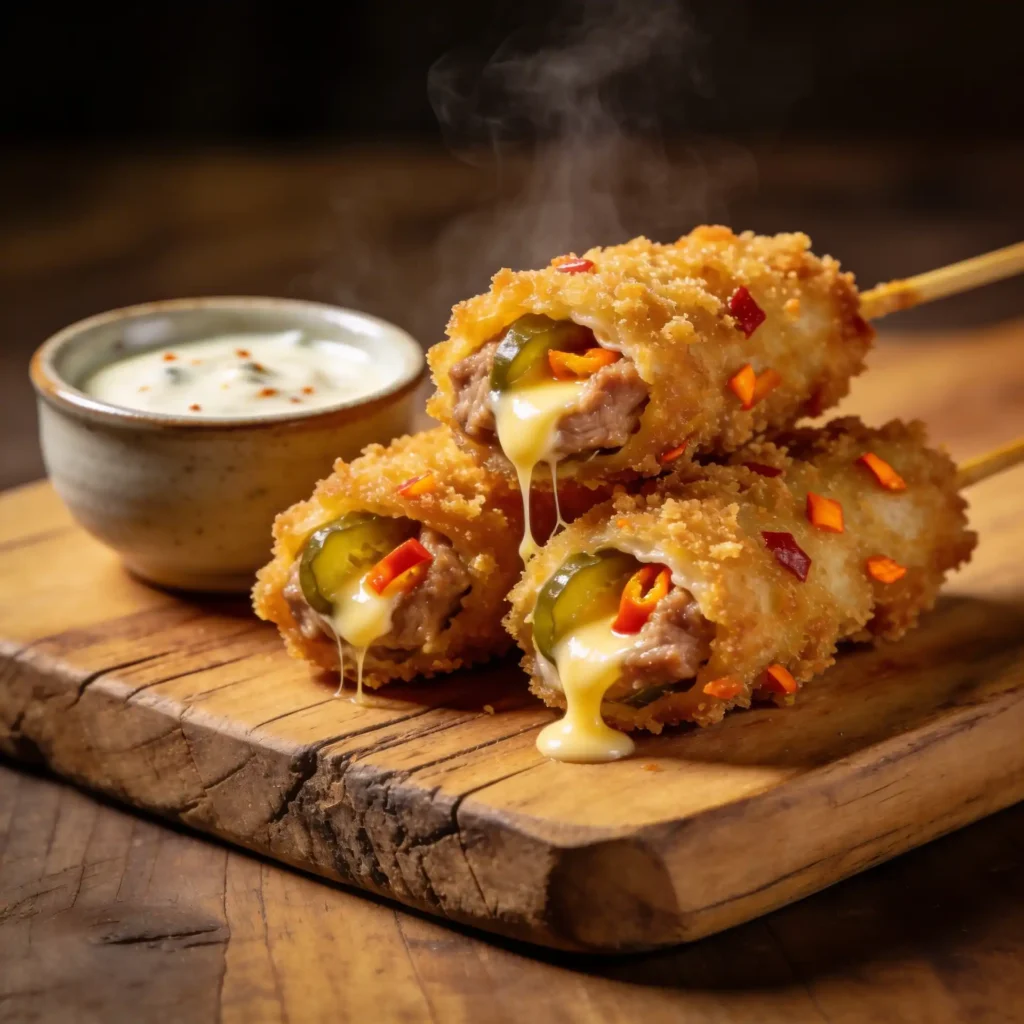
Pickled possum poppers are a unique fusion of two techniques: pickling and stuffed popper-style cooking. At their core, they combine tender, marinated meat with bold seasoning, often wrapped or stuffed into a bite-sized format that delivers both texture and flavor.
What makes pickled possum poppers different from traditional poppers is the pickling step. Before cooking, the meat is soaked in a seasoned brine that enhances flavor and tenderizes the texture. This process creates a deeper, more complex taste compared to standard recipes.
The result is a dish that delivers:
- A tangy outer flavor from the pickling process
- A rich and savory interior
- A satisfying contrast between crispy and juicy textures
From a chef’s perspective, pickled possum poppers are all about contrast. You’re layering acidity, fat, spice, and texture into one bite, which makes them incredibly memorable.
They also fit perfectly into the growing trend of bold, creative appetizers that go beyond traditional recipes.
Pro Tip: Don’t skip the pickling step—this is what gives pickled possum poppers their signature depth and flavor.
Key Ingredients and Flavor Profile
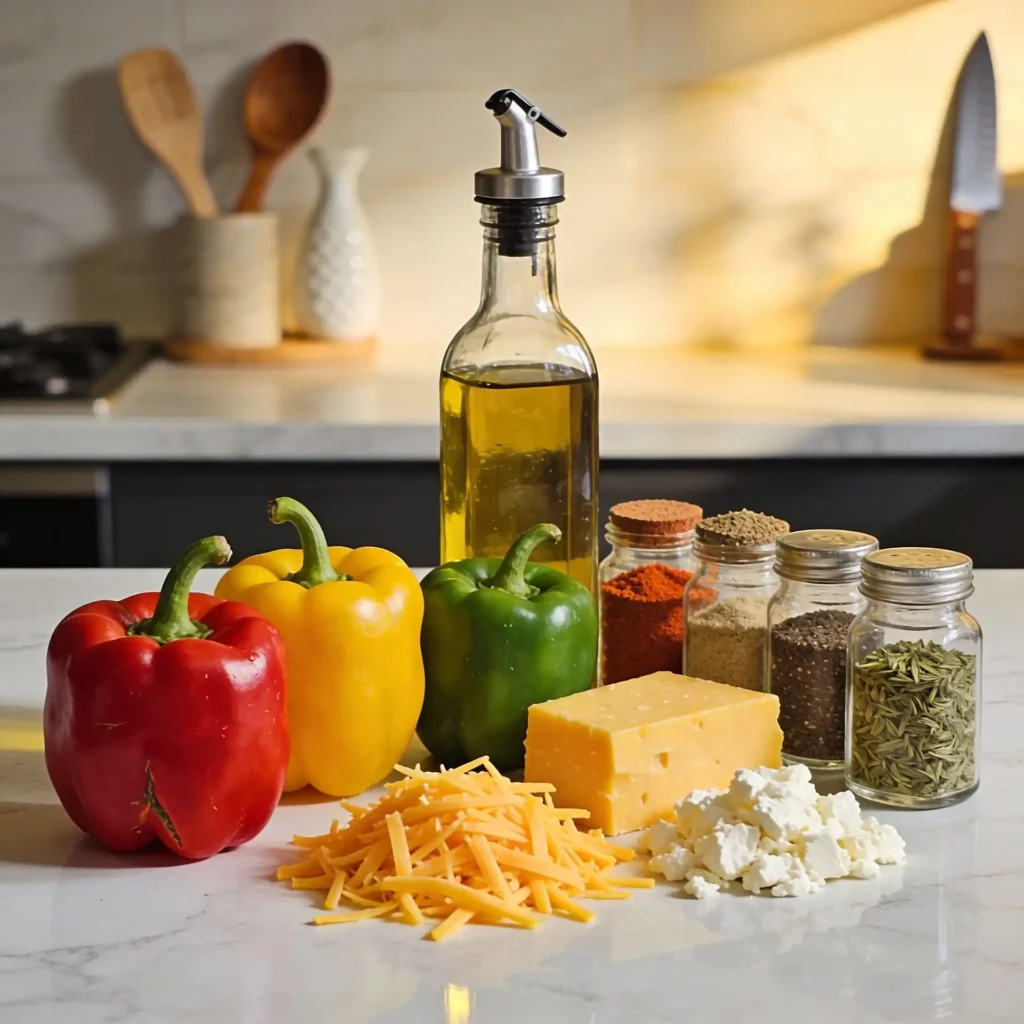
The success of pickled possum poppers depends on how well you balance your ingredients. Each component plays a role in building the final flavor.
| Ingredient | Role |
|---|---|
| Possum meat (or substitute) | Provides rich, gamey base flavor |
| Pickling brine | Adds tang and tenderizes the meat |
| Peppers (jalapeño or similar) | Adds heat and structure |
| Cheese or filling | Creates creamy contrast |
| Seasonings | Builds depth and enhances flavor |
The flavor profile of pickled possum poppers is bold and layered. You’ll notice the tanginess from the brine first, followed by savory richness and a hint of heat from the peppers.
If you enjoy exploring different pickled recipes, you can also take inspiration from options like quick pickled Hawaiian papaya, which shows how acidity can completely transform an ingredient.
From a chef’s perspective, the goal is balance. You want the pickling to enhance the meat—not overpower it.
Pro Tip: If possum isn’t available, you can substitute with pork or chicken while keeping the same pickling method.
How to Make Pickled Possum Poppers
Step-by-Step Method for Perfect Pickled Possum Poppers
Making pickled possum poppers requires a few key stages, but each step builds flavor and texture in a way that makes the final result worth it.
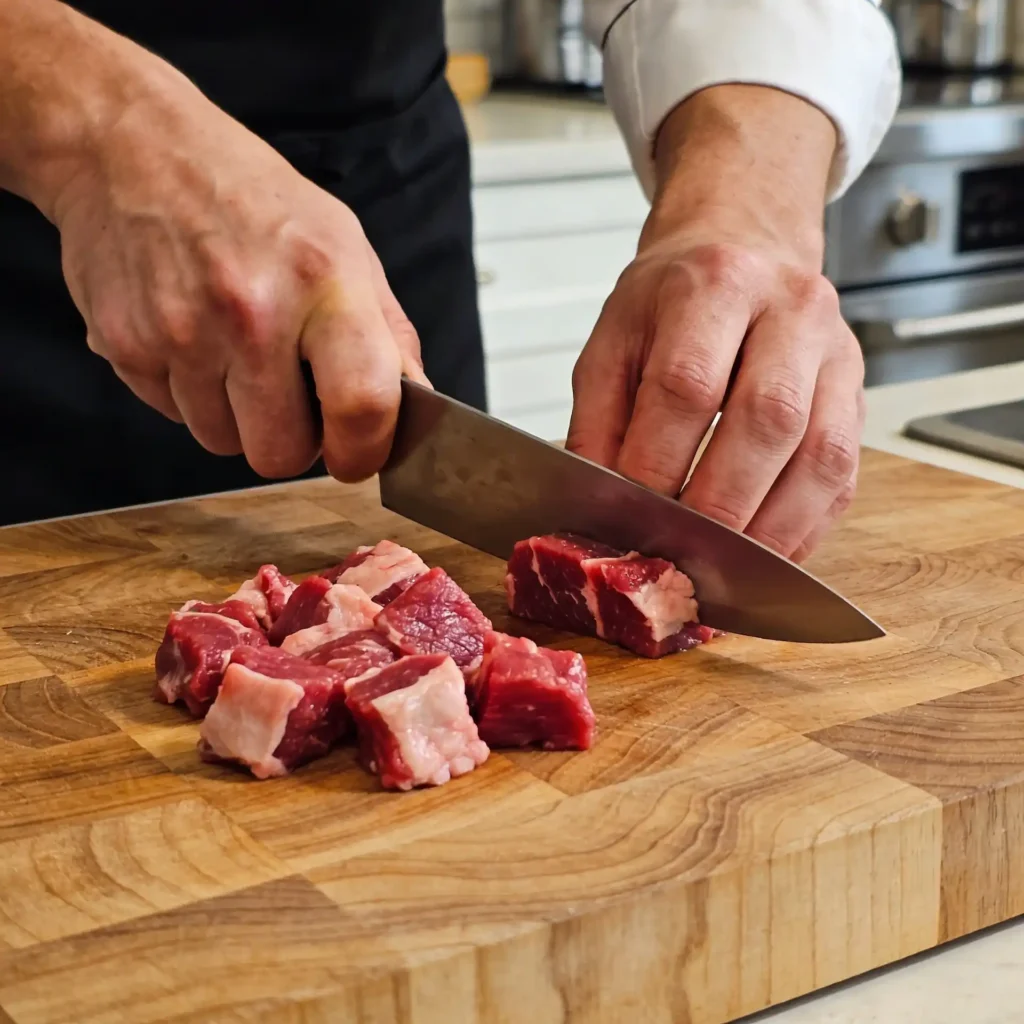
Start by preparing your meat. Clean and cut the possum (or your chosen substitute like pork or chicken) into small, bite-sized pieces. Keeping the size consistent ensures even cooking later.
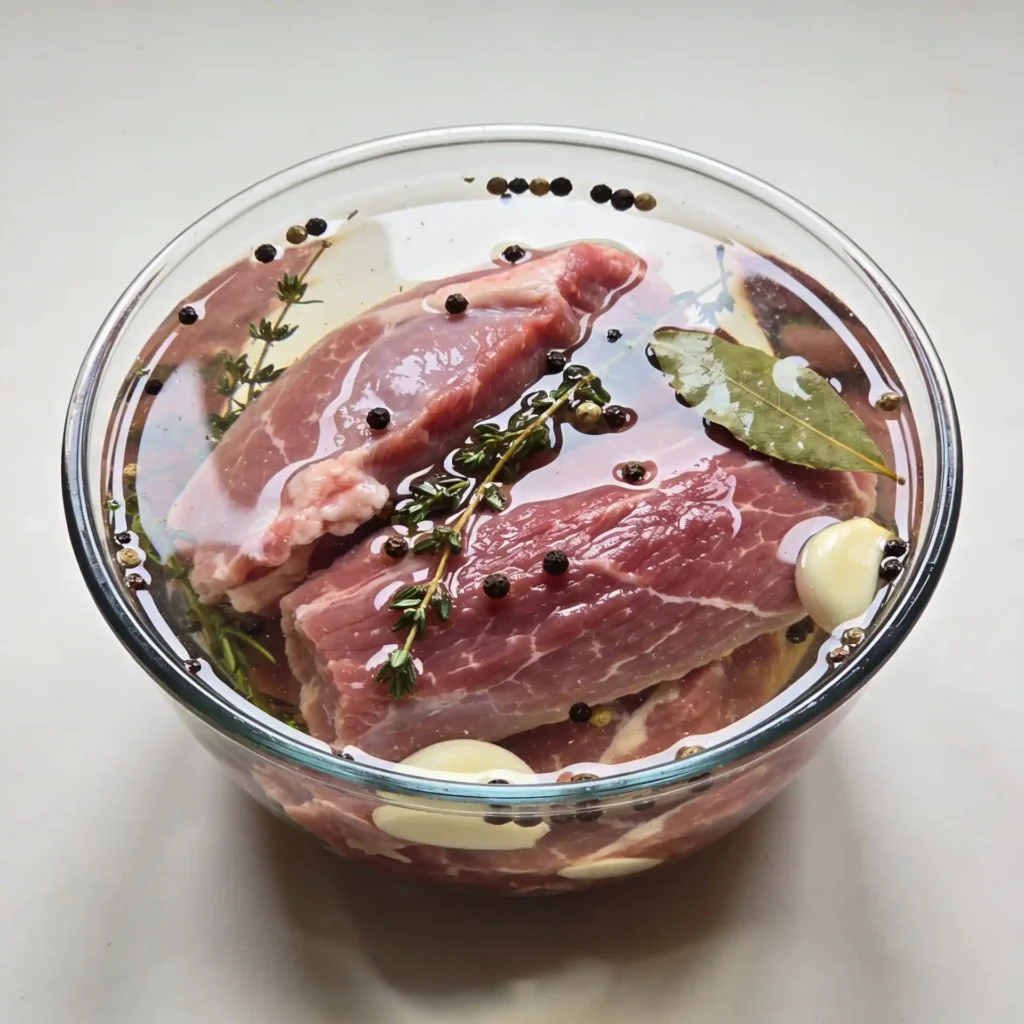
Next comes the most important step: the pickling process. Prepare a balanced pickling brine using vinegar, water, salt, and a touch of sugar. Submerge the meat fully and let it sit in the fridge for several hours or overnight. This step tenderizes the meat while adding that signature tangy depth.
If you want to refine your brining technique, recipes like pink salt pickles recipe show how small adjustments can improve both flavor and texture.
Once the pickling stage is complete, remove the meat and pat it dry. This helps achieve better browning during cooking.
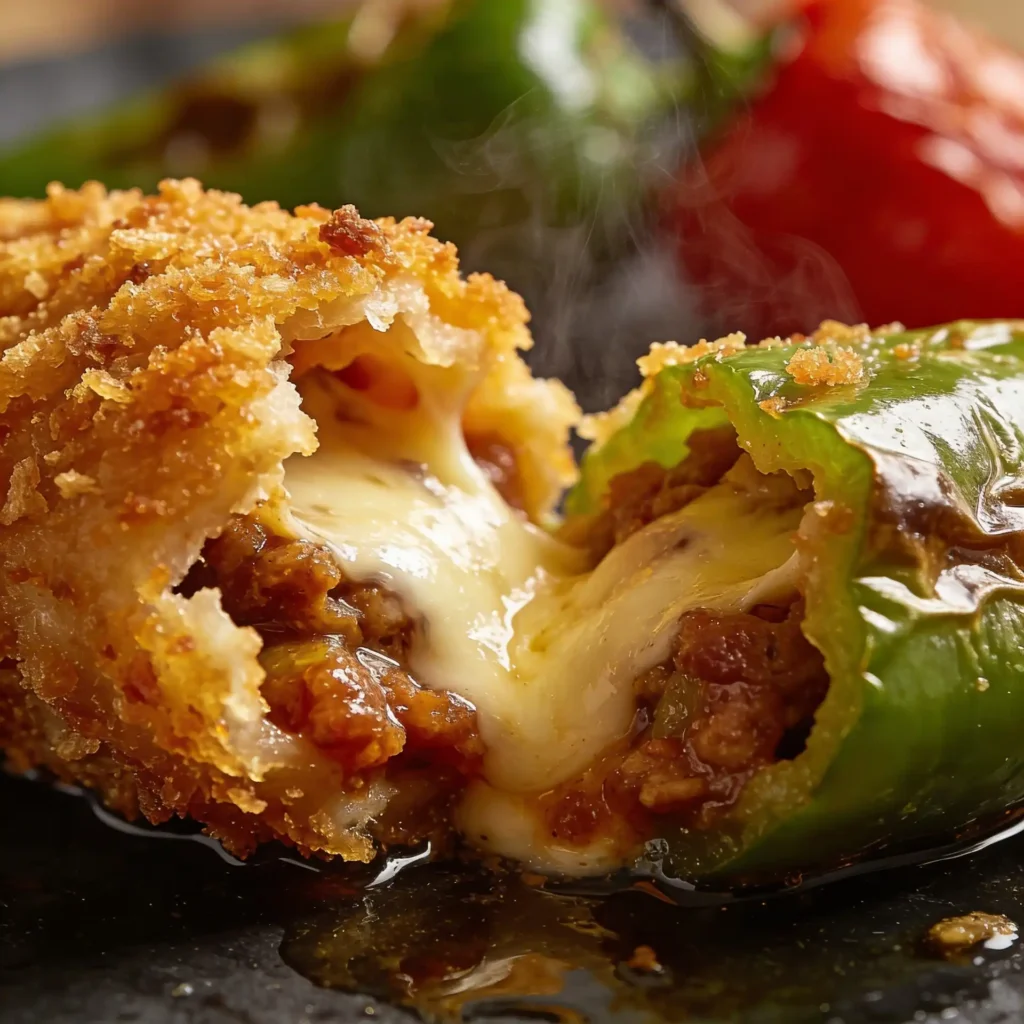
Now prepare your poppers. Slice peppers (such as jalapeños) in half and remove the seeds. Fill each pepper with a mixture of cheese and the pickled meat. This creates the signature creamy and savory center.
At this stage, you can either:
- Wrap them (optional for added richness)
- Bake, fry, or grill depending on your preferred texture
Cook until the outside is golden and the filling is hot and slightly melted.
Pro Tip: Don’t overcrowd your pan or tray. Give each popper space to cook evenly and develop a crisp exterior.
Tools, Safety, and Preparation Tips
Pickled possum poppers are straightforward, but using the right tools and techniques will improve your results significantly.
A sharp knife is essential for clean cuts, especially when preparing peppers and trimming meat. You can also use gloves when handling spicy peppers to avoid irritation.
When working with wild or alternative meats, proper handling is key. Always:
- Clean thoroughly
- Keep everything refrigerated before cooking
- Cook to a safe internal temperature
The pickling process helps tenderize the meat, but it does not replace proper cooking. Always ensure your pickled possum poppers are fully cooked before serving.
You also have flexibility in cooking methods:
- Baking for a lighter option
- Frying for extra crispiness
- Grilling for smoky flavor
If you enjoy creative pickled recipes, you might also explore options like pickled troll toes or lighter snacks such as low carb pickled celery snacks, which use similar techniques in different ways.
From a chef’s perspective, the key is control—control of heat, moisture, and timing. When you manage these well, your pickled possum poppers will come out balanced, flavorful, and perfectly textured.
Pro Tip: Let the poppers rest for a few minutes after cooking. This helps the filling set and improves overall texture.
Flavor Variations and Serving Ideas
Flavor Variations for Pickled Possum Poppers
Pickled possum poppers are incredibly versatile, which means you can adjust flavors depending on your preference or the occasion. Once you understand the base recipe, small changes can completely transform the final result.
For a spicier version, increase the heat by using hotter peppers or adding chili flakes to your pickling brine. This creates a stronger contrast between the tangy exterior and the rich filling.
If you prefer a smoky profile, grilling is the best option. The natural char adds depth and complements the acidity of the pickled meat. You can also add smoked spices to enhance this effect.
For a slightly sweeter balance, adjust your brine by adding a bit more sugar. This creates a smoother tangy flavor that feels less sharp and more rounded.
You can also experiment with fillings:
- Cream cheese for a classic popper texture
- Cheddar for a sharper bite
- Mixed cheeses for extra richness
If you enjoy exploring different pickling techniques, recipes like cooking with pink salt can help you refine your brine and improve consistency.
Pro Tip: Always test small batches when adjusting flavors so you can fine-tune without overcorrecting.
What to Serve with Pickled Possum Poppers
Pickled possum poppers work best as an appetizer or party food, especially when paired with bold sides and sauces that complement their flavor.
Because of their tangy and savory profile, they pair perfectly with creamy or spicy dips. One of the best options is a rich and slightly spicy bang bang sauce, which adds another layer of contrast.
For a full appetizer spread, you can serve them alongside other bite-sized dishes like jalapeño popper mummies or hearty options like garlic parmesan cheeseburger bombs.
If you prefer something crisp and quick, pair them with air fryer cheeseburger bombs to create a complete snack-style meal.
From a chef’s perspective, the key is balance. Since pickled possum poppers already bring acidity and richness, your sides should either add creaminess or reinforce texture.
These poppers are perfect for:
- Game day platters
- Backyard BBQs
- Party appetizers
- Casual gatherings
Pro Tip: Serve them hot with cold dipping sauces to create a strong contrast in both temperature and flavor.
Mastering the Pickling Process for Meat
How Pickling Enhances Flavor and Texture
Pickled possum poppers stand out because of the pickling stage, and understanding this step is what separates average results from exceptional ones.
When you place meat in a pickling brine, several things happen at once. The acidity from vinegar begins to break down tough fibers, which makes the meat more tender. At the same time, salt penetrates the surface, enhancing flavor from the inside out.
This process creates a deeper, more complex taste compared to simply seasoning before cooking. Instead of flavor sitting on the surface, it becomes part of the meat itself.
The result in pickled possum poppers is a balanced bite where the tangy notes blend naturally with the savory richness of the filling.
If you’ve tried recipes like quick pickled Hawaiian papaya, you’ve already seen how pickling transforms texture. With meat, that transformation becomes even more noticeable.
Pro Tip: Always keep your brine balanced. Too much vinegar can overpower the meat, while too little reduces the impact.
Ideal Pickling Time for Best Results
Timing plays a critical role when making pickled possum poppers. Unlike vegetables, meat absorbs flavor differently, so you need to control how long it sits in the brine.
Here’s a simple guide:
- 2–4 hours → Light tang, firmer texture
- 6–12 hours → Balanced flavor (ideal range)
- 24 hours → Stronger flavor, softer texture
For most recipes, the sweet spot is between 6 and 12 hours. This gives the meat enough time to absorb flavor without becoming too soft.
If you leave the meat too long, the texture can break down too much, which affects the final popper structure.
Pro Tip: Always refrigerate during pickling. This keeps the process safe and controlled.
Texture, Crispiness & Cooking Perfection
How to Achieve the Perfect Crispy Exterior
One of the biggest goals when making pickled possum poppers is achieving that perfect contrast between crispy outside and juicy inside.
After pickling, moisture becomes your main challenge. If the meat is too wet, it won’t crisp properly during cooking.
To fix this:
- Pat the meat dry before assembling
- Avoid excess brine in your filling
- Use high heat for cooking
Baking works well for a lighter texture, but frying creates the crispiest result. Grilling adds a smoky layer while still giving some crispness.
From a chef’s perspective, heat control is everything. Too low, and the poppers become soggy. Too high, and they burn before cooking through.
Pro Tip: Preheat your oven or oil fully before cooking to lock in crispiness from the start.
Balancing Juiciness Inside the Poppers
While crispiness matters, the inside of pickled possum poppers should stay juicy and flavorful.
This balance comes from combining:
- Properly pickled meat
- Creamy filling (like cheese)
- Controlled cooking time
The cheese melts and binds everything together, while the meat provides structure and depth. If cooked correctly, each bite delivers a rich center with a crisp outer layer.
If you enjoy bold appetizer textures, dishes like garlic parmesan cheeseburger bombs follow a similar principle of crispy outside and soft inside.
Pro Tip: Let the poppers rest for 3–5 minutes after cooking. This helps the juices settle and prevents the filling from spilling out.
Storage, Safety & Common Mistakes
How to Store Pickled Possum Poppers Properly
Pickled possum poppers are best enjoyed fresh, but proper storage helps you keep their flavor and texture intact for later.
After cooking, allow the poppers to cool slightly before placing them in an airtight container. Store them in the refrigerator to maintain freshness and food safety.
They typically last:
- Up to 3 days cooked and stored properly
- Best texture within the first 24 hours
When reheating, use an oven or air fryer instead of a microwave. This helps restore the crispy exterior without making the poppers soggy.
If you’ve worked with pickled recipes like quick pickled red onions, you already know that proper storage plays a major role in maintaining flavor consistency.
Pro Tip: Always keep poppers in a single layer when reheating to maintain crispiness.
Common Mistakes and How to Avoid Them
Even though pickled possum poppers are simple once you understand the process, a few mistakes can affect your final result.
One common issue is over-pickling. Leaving the meat too long in the brine can break down the texture too much, making it soft instead of firm.
Another mistake is excess moisture. If you don’t dry the meat properly after pickling, the poppers won’t crisp during cooking.
Also, avoid unbalanced brine. Too much vinegar creates a harsh flavor, while too little reduces the signature tang.
Finally, overcrowding during cooking prevents proper browning and leads to uneven texture.
Pro Tip: Focus on balance—balance in flavor, moisture, and cooking temperature.
Frequently Asked Questions
What are pickled possum poppers made of?
Pickled possum poppers are made from marinated meat (usually possum or a substitute), combined with a pickling brine, peppers, cheese, and seasonings, then cooked until crispy.
Can you substitute possum meat in this recipe?
Yes, you can use pork or chicken as a substitute. The pickling process remains the same and still delivers great flavor.
How long should you pickle meat before cooking?
The ideal time is between 6 and 12 hours. This allows the meat to absorb flavor without becoming too soft.
Are pickled possum poppers safe to eat?
Yes, as long as the meat is handled properly, refrigerated during pickling, and fully cooked before serving.
What do pickled possum poppers taste like?
They have a tangy, savory, and slightly spicy flavor with a crispy exterior and juicy interior.
Can you make them in an air fryer?
Yes, air frying works well and helps create a crispy texture with less oil.
Pickled Possum Poppers
- Total Time: 55 minutes (+ pickling time)
- Yield: 4 servings 1x
Description
Pickled possum poppers are a bold and unique appetizer combining tangy pickled meat, creamy filling, and crispy texture. Perfect for adventurous eaters and flavorful gatherings.
Ingredients
- 2 cups possum meat (or pork/chicken substitute)
- 1 cup vinegar
- 1/2 cup water
- 1 tbsp sugar
- 1 tsp salt
- 6–8 jalapeño peppers
- 1 cup cream cheese
- 1/2 cup shredded cheddar cheese
- 1 tsp garlic powder
- 1 tsp paprika
Instructions
- Cut meat into small bite-sized pieces.
- Prepare pickling brine with vinegar, water, sugar, and salt.
- Submerge meat and refrigerate for 6–12 hours.
- Remove meat, drain, and pat dry.
- Slice peppers and remove seeds.
- Mix meat with cream cheese, cheddar, and spices.
- Stuff peppers with mixture.
- Bake at 375°F for 20–25 minutes until golden and cooked through.
Notes
Always dry meat after pickling for better crispiness
Adjust spice level by choosing different peppers
Use pork or chicken for a milder flavor option
Let poppers rest before serving
- Prep Time: 30 minutes
- Cook Time: 25 minutes
- Category: Appetizer
- Cuisine: American
Nutrition
- Serving Size: Per Serving
- Calories: 320 kcal
- Sugar: 3g
- Sodium: 450mg
- Fat: 22g
- Carbohydrates: 8g
- Fiber: 1g
- Protein: 18g
Conclusion
Pickled possum poppers are more than just a recipe—they’re a bold culinary experience that combines creativity, technique, and flavor. From the tangy depth of the pickling process to the crispy, satisfying finish, every step builds toward a dish that stands out.
Whether you’re cooking for a gathering or simply exploring new ideas in the kitchen, pickled possum poppers offer a unique way to expand your skills and impress your guests.
If you love experimenting with bold and creative recipes, explore more ideas and inspiration in our collection of easy recipes and kitchen ideas.
Want more bold and creative recipes like these pickled possum poppers? Join me on Facebook where I share daily cooking tips, unique ideas, and behind-the-scenes inspiration. Follow Chef Adriana on Facebook and never miss your next favorite recipe!