Soufflé Yogurt Cake – The Story & Intro to This Fluffy Dessert
A Personal Story Behind This Fluffy Yogurt Dessert
Soufflé yogurt cake has become one of my most reliable desserts when I want something light yet refined. I’m Chef Adriana, and I remember preparing this recipe during a demanding kitchen service when I needed a quick but elegant solution. With just a few ingredients, I created a soft, airy cake that delivered both texture and flavor.
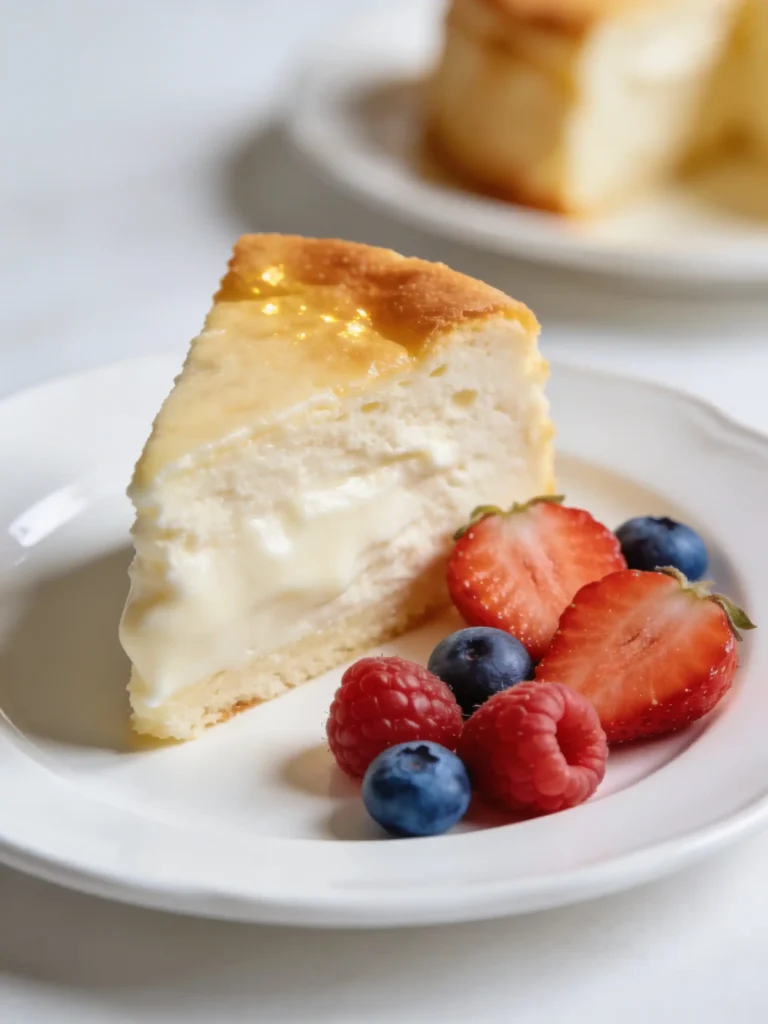
As it baked, the structure developed slowly, creating a delicate rise without cracks. When I sliced into it, the interior felt smooth and light, almost like a balance between a cheesecake and a soufflé. That result confirmed how powerful simple techniques can be.
I often suggest this recipe to anyone who enjoys texture-focused desserts, especially if you’ve tried recipes like easy marble bundt cake recipe, where structure and consistency also matter.
Table of Contents
Table of Contents
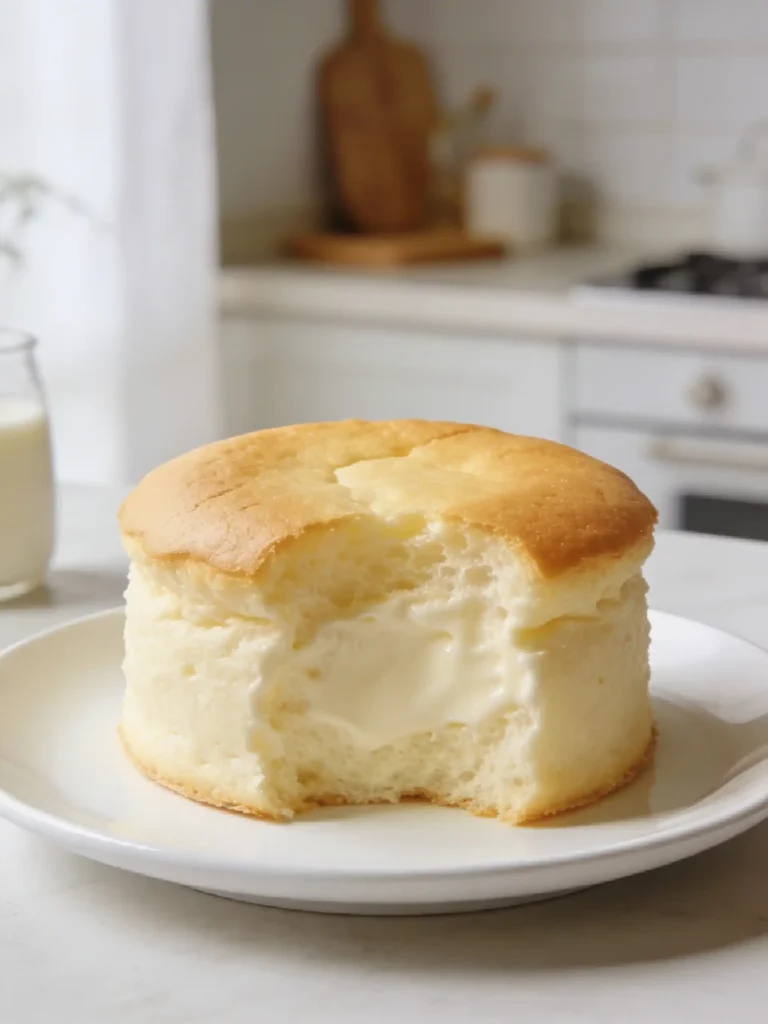
Why This Yogurt Soufflé Cake Is So Popular
This dessert stands out because it combines a short ingredient list with precise technique. The airy structure comes from whipped egg whites, while yogurt adds moisture and a slight tang that keeps the flavor balanced.
It also works well for different occasions. You can serve it warm for a softer bite or chilled for a slightly firmer texture. This flexibility makes it a practical choice for both casual meals and more refined presentations.
| Feature | Why It Matters |
|---|---|
| Minimal ingredients | Keeps preparation simple and accessible |
| Airy texture | Creates a soft and light result |
| Flexible serving | Works for multiple occasions |
This cake continues to gain popularity because it delivers a bakery-style result with simple steps. Once you understand the method, you can prepare it with consistent results every time.
Ingredients and Science Behind Soufflé Yogurt Cake
Key Ingredients for a Perfect Soufflé Yogurt Cake
Soufflé yogurt cake relies on a short list of ingredients, but each one plays a precise role. When you understand how they work together, you gain full control over the final texture.
The base of this recipe includes yogurt, eggs, and cornstarch. Yogurt brings moisture and a slight tang, while eggs create both structure and lift. Cornstarch helps stabilize the batter so the cake holds its shape after baking.
Here is a clear breakdown of the ingredients and their functions:
| Ingredient | Function | Chef Insight |
|---|---|---|
| Yogurt | Moisture and flavor | Use thick yogurt for better structure |
| Eggs | Lift and structure | Whites must reach soft peaks |
| Cornstarch | Stability | Prevents collapse after baking |
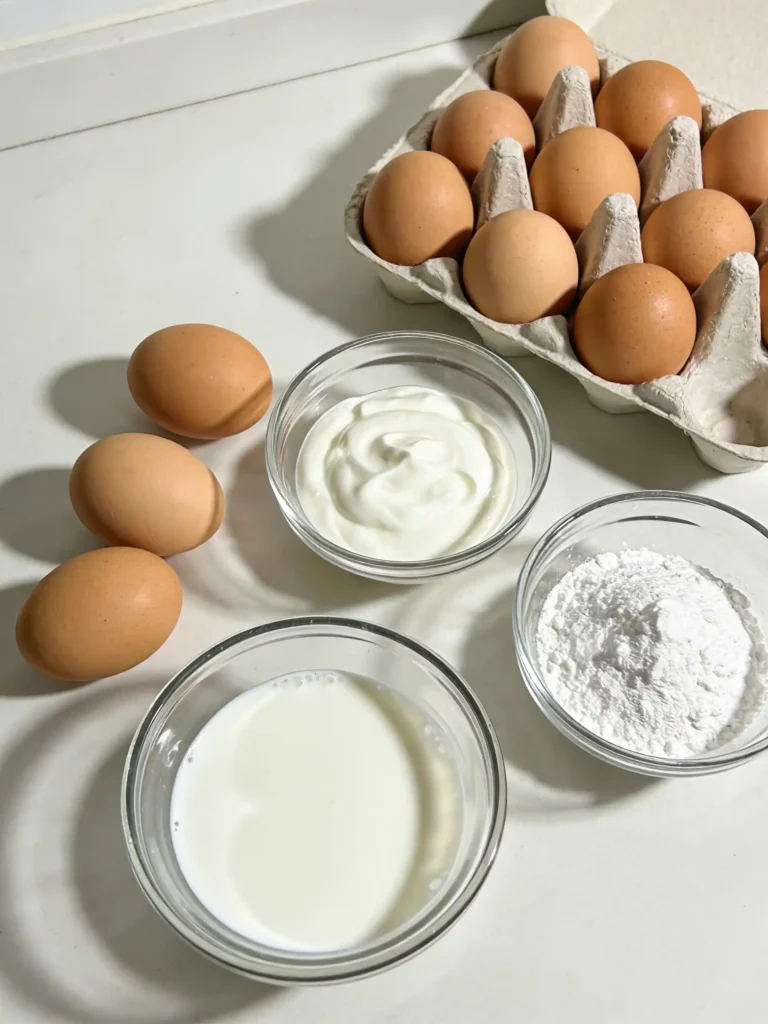
Choosing the right yogurt makes a noticeable difference. Greek yogurt works best because of its thickness and protein content. If you enjoy desserts with a creamy base, recipes like no-bake blueberry cheesecake recipe also rely on similar texture principles.
How Each Ingredient Affects Texture and Structure
Every step in this recipe connects directly to how the ingredients behave. Egg whites create air bubbles when whipped, and those bubbles expand during baking. That expansion gives the cake its height.
However, technique matters just as much as ingredients. If you overmix the batter, you break those air pockets, and the cake becomes dense. Gentle folding keeps the structure intact.
Temperature also plays a key role. Room-temperature eggs whip faster and hold more volume. Cold eggs limit aeration and reduce the rise.
Professional kitchens always focus on balance. Too much moisture leads to collapse, while too little results in dryness. This balance is also important in structured desserts like Italian almond ricotta cake, where ingredient ratios directly affect texture.
When you understand these details, you stop guessing and start controlling the outcome. That’s what turns a simple recipe into a consistent result every time.
Step-by-Step Soufflé Yogurt Cake Method
Foolproof Method for a Light and Airy Texture
Soufflé yogurt cake requires precision, but when you follow the right steps, the process becomes reliable. Each stage builds the structure, so consistency matters from the beginning.
Start by separating the egg whites from the yolks carefully. Even a small amount of yolk in the whites can affect how they whip. Then, mix the yolks with yogurt until the texture becomes smooth and uniform.
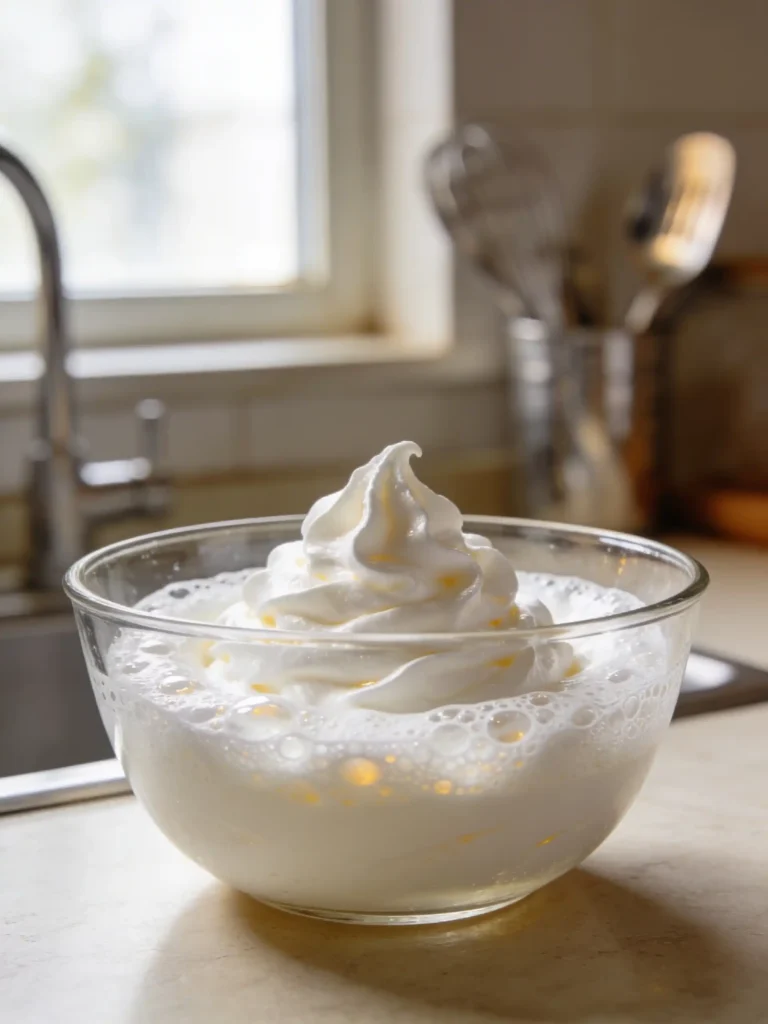
Next, whip the egg whites until they reach soft peaks. This step creates the air structure that gives the cake its lift. The peaks should hold their shape but still look slightly soft.
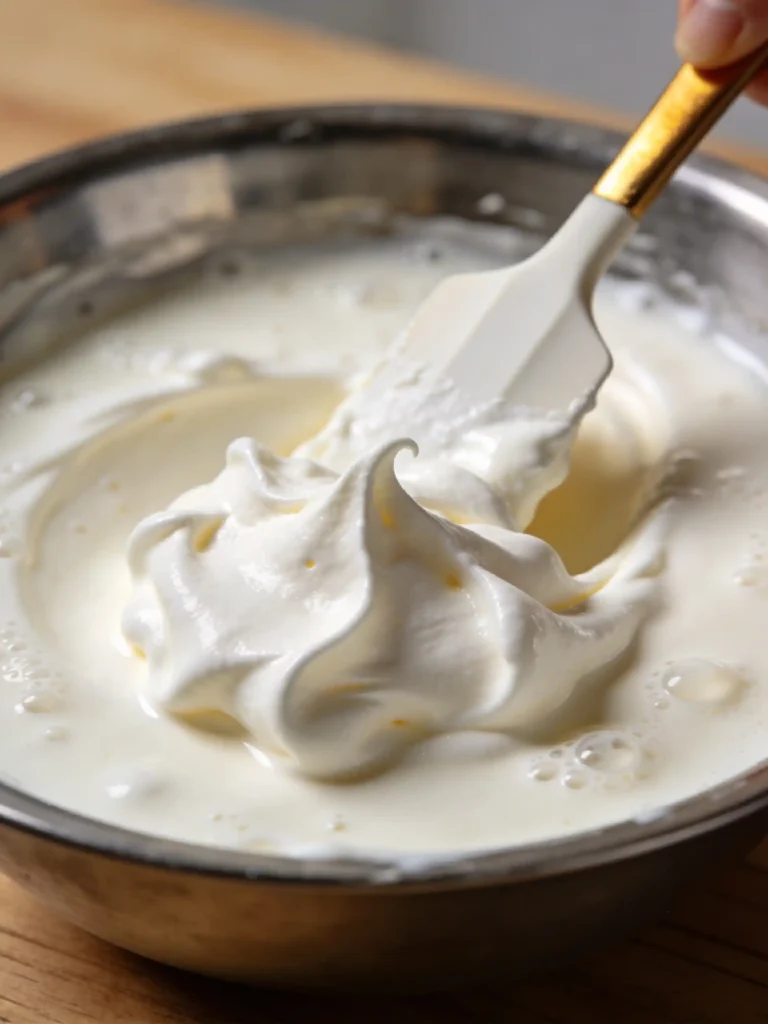
Now comes the most important step: folding. Add the whipped whites into the yolk mixture in three stages. Fold gently using a spatula, keeping the motion slow and controlled. This method preserves the air inside the batter.
Pour the mixture into a prepared pan and place it in a water bath. Bake at a low temperature to allow gradual rising. This technique creates the soft and stable texture that defines this dessert. Recipes like strawberry crunch cheesecake bites also rely on controlled preparation for consistent results.
Baking Tips That Guarantee a Perfect Rise
Temperature control plays a key role in the final result. Always bake at a low and steady temperature, around 150–160°C. High heat causes the cake to rise too quickly and collapse afterward.
The water bath is not optional. It creates a humid environment that prevents cracks and keeps the texture smooth. Without it, the surface may dry out before the center sets.
Avoid opening the oven during baking. Sudden temperature changes can cause the cake to sink. Once baking is complete, let the cake cool gradually inside the oven with the door slightly open.
Another important detail is the mixing technique. Never stir aggressively. Folding gently keeps the air bubbles intact, which directly affects the final texture.
Professional kitchens follow these exact steps because they deliver consistent results. The same attention to detail appears in structured desserts like classic chocolate snowball cookies, where technique determines the outcome.
When you apply these steps carefully, you create a cake that rises evenly, holds its shape, and delivers a soft, airy texture every time.
Common Mistakes and Pro Tips for Soufflé Yogurt Cake
Mistakes That Ruin the Texture
Soufflé yogurt cake looks simple, but small mistakes can quickly affect the final result. Many bakers struggle with texture because they rush key steps or overlook important details.
One of the most common mistakes is overmixing the batter. When you fold too aggressively, you destroy the air bubbles created by the egg whites. This leads to a dense and flat cake instead of a light structure.
Another issue comes from baking at the wrong temperature. High heat causes the cake to rise too fast, then collapse as it cools. Skipping the water bath also creates problems. Without moisture in the oven, the surface dries out and cracks form.
Here’s a quick guide to common mistakes and how to fix them:
| Mistake | Result | Solution |
|---|---|---|
| Overmixing | Dense texture | Fold gently in stages |
| High temperature | Collapse after baking | Bake low and slow |
| No water bath | Cracks and dryness | Always use steam baking |
Precision matters at every stage. Even experienced bakers adjust their technique to maintain consistency. Desserts like lemon raspberry swirl cheesecake also depend on careful control to avoid texture issues.
Expert Techniques and Flavor Variations
Once you master the base recipe, you can improve both texture and flavor with a few professional techniques. Start by using a clean, grease-free bowl when whipping egg whites. Any residue can prevent proper aeration.
Adding a few drops of lemon juice helps stabilize the egg whites. This small step improves volume and makes the structure more stable during baking.
You can also introduce light flavor variations without affecting the texture. Vanilla extract adds depth, while a small amount of lemon zest gives freshness. Keep additions minimal so the batter remains light.
Storage also affects the final experience. This cake tastes best a few hours after baking, once the structure settles. Store it in the refrigerator for up to three days, then reheat gently if needed.
If you enjoy experimenting with flavors, you can also try recipes like easy marble bundt cake recipe, which offers a different approach to texture and presentation.
When you apply these techniques, you move from basic results to consistent, high-quality baking.
Once you master the base 3 Ingredient Yogurt Soufflé Cake, you can start to play with the flavor profile while maintaining that ethereal texture.
Citrus Zest, Vanilla, and Berry Infusions
- The Zest Factor: Add the zest of two lemons and a teaspoon of lemon juice to the yogurt mixture. The extra acid further stabilizes the meringue.
- Vanilla Bean: Use real vanilla bean paste. The tiny black specks against the pale yellow crumb signal high-end quality to your guests.
- Berry Swirl: Garnish with a refined compote, perhaps inspired by the vibrant flavors in our cherry chipotle firecracker jam, to add a smoky-sweet depth to the tang of the yogurt.
Plating Like a Michelin-Star Chef
Presentation is 50% of the experience. Dust the top with a very fine layer of powdered sugar using a fine-mesh sieve. Serve with a side of macerated strawberries or a dollop of whipped cream. Because the cake is so light, it benefits from a “heavy” accompaniment like a thick berry coulis. The contrast between the cold, creamy cake and a warm fruit sauce is a hallmark of high-end dessert service.
Even with 15 years of experience, I still have the occasional “oops” moment. Here is how to fix yours.
- Why Did My Cake Sink? Solving Post-Oven Deflation
A slight deflation (about 10-15%) is normal as the air inside the bubbles cools. However, a total collapse usually means the meringue wasn’t strong enough or you took the cake out of the oven too fast. Unlike the stable structure of our 4th of July jello recipe, which relies on gelatin to hold its form, this cake relies entirely on the precarious strength of egg proteins that must be “set” slowly.
- Cracking at the Top: Preventing Thermal Shock
Cracks are caused by steam trying to escape too quickly through a surface that has already hardened. This happens if your oven is too hot or if you didn’t use a water bath. If you see a crack forming, crack the oven door open slightly to let some heat out and lower the temperature by 10 degrees.
Expert Tip: Leave the cake in the oven with the door ajar for at least 15 minutes after the timer goes off. This gradual cooling prevents “thermal shock,” which is the leading cause of sudden sinking.
FAQ – Soufflé Yogurt Cake
Why is my cake not rising properly?
The most common reason a Soufflé Yogurt Cake fails to rise is a compromised meringue. If even a tiny drop of egg yolk or grease gets into your egg whites, they will never reach the necessary volume. Additionally, over-folding the batter destroys the air bubbles you worked so hard to create. Ensure your bowl is “squeaky clean” by wiping it with a little lemon juice before whisking.
Can I use flavoured yogurt?
Yes, you can use flavored yogurt, but be mindful of the sugar content. Flavored yogurts often contain syrups that can change the viscosity of the batter. If you use a vanilla or strawberry yogurt, reduce any additional sugar the recipe might call for. However, for the best structural results, I always recommend using a high-protein, plain Greek yogurt and adding your own flavorings for a cleaner taste.
Why did my cake sink?
Sinking is typically a result of thermal shock or underbaking. If the internal structure of the egg proteins hasn’t fully set, the cake will collapse as soon as it hits the cooler air outside the oven. Always perform the “jiggle test”—the center should move slightly like firm jelly, but the edges should feel firm. Leaving the cake in the oven with the door cracked for 15 minutes post-bake is the best preventative measure.
How to Make Soufflé Cake with Yogurt?
To make this cake, you must separate your eggs and whisk the whites into a stiff-peak meringue. Meanwhile, whisk the yolks with your yogurt and a small amount of starch until smooth. Gently fold the meringue into the yogurt mixture in three stages, being careful not to deflate the air. Bake in a water bath at a low temperature (around 300°F) for approximately 50-60 minutes.
Can I make this cake keto-friendly?
Absolutely. Since the base is yogurt and eggs, it is naturally low-carb. To make it strictly keto, replace the cornstarch with a smaller amount of almond flour or coconut flour (though this will slightly change the texture) and use a keto-approved sweetener like Erythritol or Allulose. Be aware that some sugar substitutes can affect the stability of the meringue.
Do I really need a water bath?
Yes, the water bath is non-negotiable for this specific recipe. Without it, the edges of the cake will overcook and become rubbery before the center is set. The steam from the water bath also prevents the top from drying out and cracking, ensuring that signature smooth, Japanese soufflé cheesecake finish that makes this dessert so famous.
Conclusion
Soufflé yogurt cake proves that simple ingredients can create a refined dessert when technique is applied correctly. With proper folding, controlled baking, and attention to detail, you achieve a soft and airy texture every time.
Once you master this recipe, you can confidently prepare it for any occasion, from casual meals to elegant presentations. If you want to continue improving your baking skills, you can also try this no-bake blueberry cheesecake recipe, which offers another approach to texture-focused desserts.
Ready to take your baking skills further? Follow more tested recipes, expert techniques, and texture-focused desserts directly from my kitchen. Join me here 👉 Chef Adriana on Facebook and stay updated with new creations, tips, and inspiration you can use every day.
Print
Easy Soufflé Yogurt Cake Recipe
- Total Time: 55 minutes
- Yield: 6 servings 1x
Description
A light and fluffy soufflé yogurt cake made with simple ingredients, delivering a soft, airy texture that feels delicate and satisfying.
Ingredients
- 1 cup Greek yogurt
- 3 eggs (separated)
- 2 tablespoons cornstarch
- 1/4 cup sugar (optional)
Instructions
- Separate the egg whites from the yolks carefully.
- Mix the egg yolks with yogurt until the mixture becomes smooth.
- Add cornstarch and combine until fully incorporated.
- In a clean bowl, whip the egg whites until soft peaks form.
- Fold the whipped egg whites into the yogurt mixture in three stages.
- Use gentle motions to keep the air inside the batter.
- Pour the batter into a prepared baking pan.
- Place the pan into a water bath.
- Bake at 160°C (320°F) for 40–50 minutes.
- Turn off the oven and let the cake cool gradually inside.
- Remove, slice, and serve slightly warm or chilled.
Notes
Use room temperature eggs for better volume.
Do not overmix to maintain the airy texture.
Always use a water bath for even baking and a smooth finish.
- Prep Time: 10 minutes
- Cook Time: 45 minutes
- Category: Dessert
- Method: Baking
- Cuisine: International
Nutrition
- Serving Size: per serving
- Calories: 150 kcal
- Sugar: 8g
- Sodium: 60mg
- Fat: 5g
- Saturated Fat: 2g
- Unsaturated Fat: 3g
- Trans Fat: 0g
- Carbohydrates: 18g
- Fiber: 0g
- Protein: 6g
- Cholesterol: 90mg